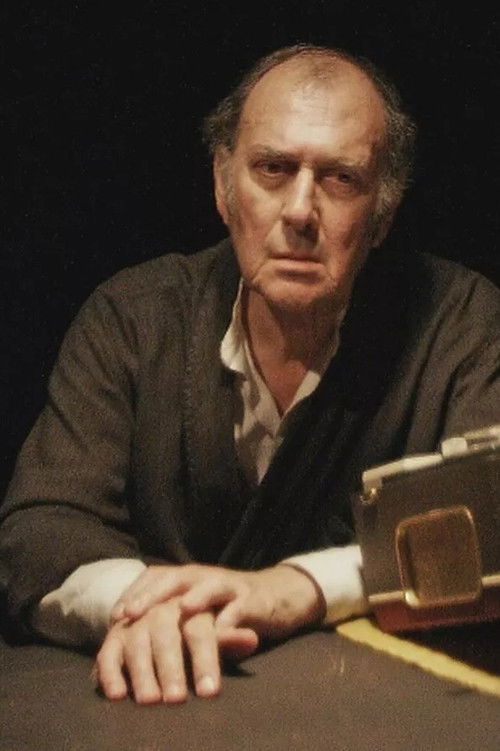
Krapp's Last Tape 2007
Ian Rickson's intimate rendition of Samuel Beckett's existential masterpiece *Krapp's Last Tape (2007)* follows a solitary 69-year-old man on his birthday, alone with his memories and a reel-to-reel tape recorder.
Director: Ian Rickson
Cast
Frequently Asked Questions
What is Krapp's Last Tape (2007) about?
The film centers on Krapp, an aging man who revisits his younger self through a series of audio recordings on his birthday. As he listens to his past decisions and missed opportunities, the tape recorder becomes both a lifeline and a mirror to his regrets.
Who directed Krapp's Last Tape?
Ian Rickson, known for his work in theatre and film, directed this poignant adaptation of Samuel Beckett's iconic play.
Who stars in Krapp's Last Tape?
The film features Harold Pinter in a solo performance that anchors the entire narrative.
Is Krapp's Last Tape (2007) worth watching?
For viewers drawn to existential drama, this 45-minute film is a masterclass in depth and restraint. Pinter's performance elevates Beckett's themes, offering a quiet but profound experience that lingers long after the credits roll.
How long is Krapp's Last Tape?
The runtime is 45 minutes.
About Krapp's Last Tape (2007) — A Stark, Moving Portrait of Memory and Mortality
Ian Rickson's intimate rendition of Samuel Beckett's existential masterpiece *Krapp's Last Tape (2007)* follows a solitary 69-year-old man on his birthday, alone with his memories and a reel-to-reel tape recorder. As Krapp listens to decades-old recordings of his younger self, the film unfolds as a haunting meditation on time, regret, and the fragility of human connection. With stark minimalism and deep emotional weight, the drama lingers on the echoes of a life spent chasing ambition while confronting mortality.
Harold Pinter delivers a tour de force performance, his weathered presence embodying the weight of years gone by. The 45-minute runtime compresses a lifetime into a single, unforgettable sitting, blending existential dread with dark humor. Beckett's themes resonate powerfully here—regret, creativity's fleeting nature, and the inescapable passage of time—making this a must-see for fans of philosophical drama.