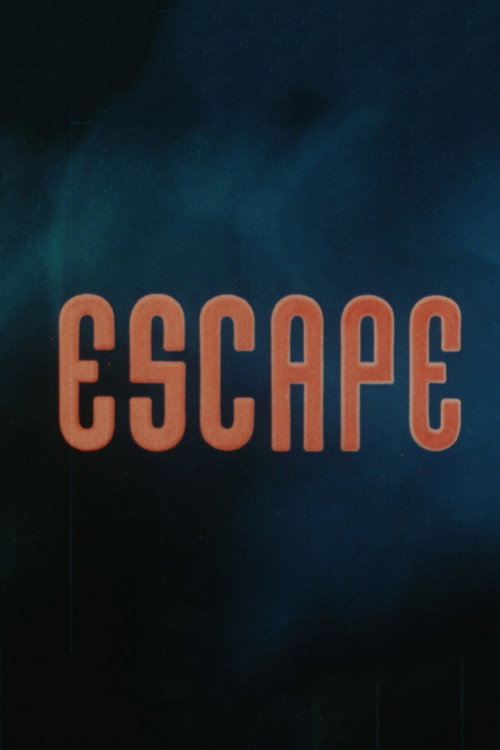
Escape (Synchronomy No. 4) 1937
Escape (Synchronomy No. 4) (1937) is a mesmerizing four-minute animated short by pioneering experimental filmmaker Mary Ellen Bute, blending music and motion into a visual symphony.
Director: Mary Ellen Bute
Frequently Asked Questions
What is Escape (Synchronomy No. 4) (1937) about?
Escape (Synchronomy No. 4) is a four-minute abstract animation that transforms Bach's "Toccata and Fugue in D Minor" into a visual performance. Geometric triangles—bursting with warm colors—dance against a backdrop of swirling lines and blue smoke, their movements syncing with the music's rhythm in a mesmerizing display of artistry and experimentation.
Who directed Escape (Synchronomy No. 4)?
Mary Ellen Bute, a visionary in early visual music and experimental animation, directed Escape (Synchronomy No. 4).
Who stars in Escape (Synchronomy No. 4)?
Cast details for Escape (Synchronomy No. 4) are not available.
Is Escape (Synchronomy No. 4) (1937) worth watching?
As a 4-minute avant-garde animation, Escape (Synchronomy No. 4) offers a unique blend of art and music that's both hypnotic and thought-provoking. While not a mainstream narrative, its experimental nature makes it a fascinating watch for fans of early abstract cinema and visual storytelling.
How long is Escape (Synchronomy No. 4)?
Escape (Synchronomy No. 4) runs for 4 minutes.
Escape (Synchronomy No. 4) (1937): A Visual Symphony of Shapes and Sound
Escape (Synchronomy No. 4) (1937) is a mesmerizing four-minute animated short by pioneering experimental filmmaker Mary Ellen Bute, blending music and motion into a visual symphony. Set to Bach's iconic "Toccata and Fugue in D Minor," the film transforms geometric shapes into living characters, where triangles pulse with fiery hues—orange, red, and yellow—against a cool backdrop of blue smoke and swirling black lines. The interplay between the rigid grid and the dynamic, almost playful movement of the shapes mirrors the music's rhythm, creating a hypnotic dance that feels both mechanical and alive. This early abstract animation isn't just a feast for the eyes; it's a bold exploration of form, sound, and the boundaries of perception, all wrapped in a minimalist yet evocative aesthetic.
Directed by Bute, a trailblazer in visual music who merged classical compositions with avant-garde animation, Escape (Synchronomy No. 4) stands as a testament to the power of simplicity and experimentation. The film's stark contrasts—between color and monochrome, movement and stillness—invite viewers to lose themselves in its rhythmic patterns, where every twist and bend of the lines feels like a secret conversation between the visual and the auditory. Though short, its impact lingers, leaving a lasting impression of how art can transcend convention and turn even the most basic shapes into storytelling devices.