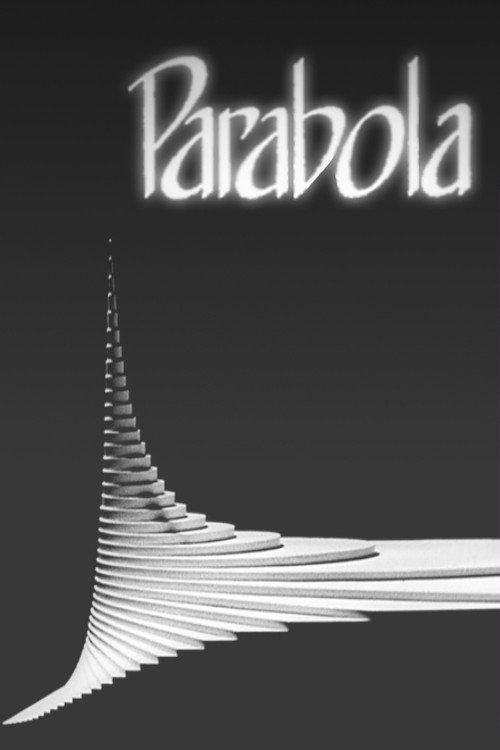
Parabola 1937
Dive into the mesmerizing visual poetry of *Parabola (1937)*, a groundbreaking nine-minute animation that transforms ordinary shapes into extraordinary art.
Director: Mary Ellen Bute
Frequently Asked Questions
What is Parabola (1937) about?
*Parabola (1937)* is an experimental short that turns everyday forms into a rhythmic exploration of parabolic curves, the elegant arcs that shape everything from raindrops to architecture. Through striking contrasts of light and shadow, the film transforms static shapes into a flowing, almost musical experience, inviting viewers to see the world's hidden geometry.
Who directed Parabola?
Mary Ellen Bute, a trailblazing figure in experimental animation, directed *Parabola (1937)*.
Who stars in Parabola?
Cast details for *Parabola (1937)* are not listed in available records.
Is Parabola (1937) worth watching?
While *Parabola (1937)* isn't a mainstream film, its innovative approach to animation and visual storytelling makes it a fascinating watch for fans of experimental cinema. The short's unique blend of art and science offers a refreshing perspective, even if it's not for every taste.
How long is Parabola?
*Parabola (1937)* runs for 9 minutes.
About Parabola (1937) — The Art of Motion and Geometry in a 1930s Animation Classic
Dive into the mesmerizing visual poetry of *Parabola (1937)*, a groundbreaking nine-minute animation that transforms ordinary shapes into extraordinary art. Directed by pioneering experimental filmmaker Mary Ellen Bute, this black-and-white short masterfully explores the interplay between light and shadow, stillness and motion, and form and rhythm. By focusing on the parabolic curve—the graceful arc found in nature and architecture—Bute crafts a hypnotic experience that feels like watching the universe dance to its own silent symphony.
*Parabola (1937)* isn't just a film; it's an invitation to see the world through a new lens, celebrating the beauty of geometry in motion. With its striking contrasts and rhythmic visuals, this experimental gem from the 1930s remains a testament to the power of animation as an art form, blending science and poetry into a timeless short film that captivates both the eye and the mind.