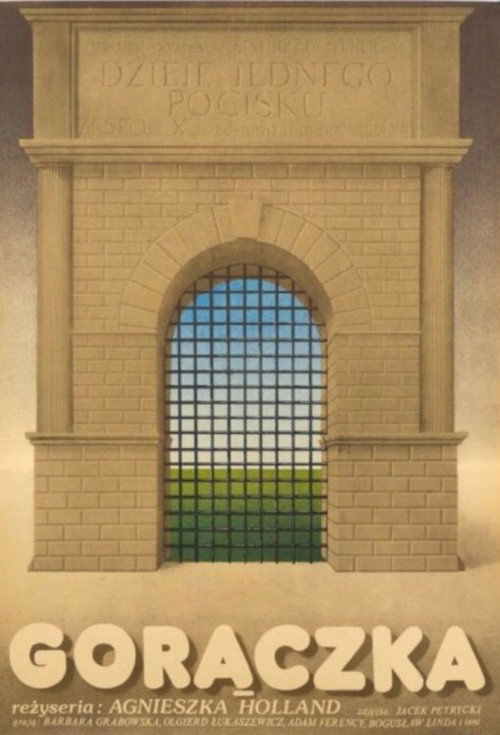
Fever 1981
"The Story of a Single Bomb"
Set in the tumultuous early 20th century, Fever (1981) is a gripping historical drama that delves into the world of anarchism in partitioned Poland.
Director: Agnieszka Holland
Cast





Frequently Asked Questions
What is Fever (1981) about?
Fever (1981) is a historical drama that explores the world of anarchism in partitioned Poland through the story of a single bomb and its impact on the revolutionaries' fight against Tsarist rule.
Who directed Fever?
Agnieszka Holland directed Fever.
Who stars in Fever?
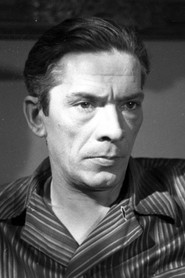
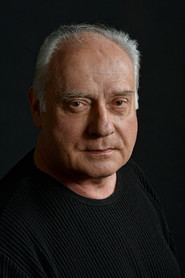
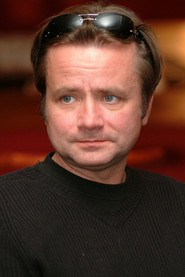
The film features a talented cast, including Barbara Grabowska, Adam Ferency, and Bogusław Linda.
Is Fever (1981) worth watching?
While Fever (1981) may not have a high IMDb rating, its gripping narrative and thought-provoking themes make it a worthwhile watch for fans of historical dramas and those interested in exploring the complexities of the human experience.
How long is Fever?
Fever (1981) has a runtime of 122 minutes.
About Fever (1981) — A Gripping Historical Drama Unfolds in Early 20th-Century Poland
Set in the tumultuous early 20th century, Fever (1981) is a gripping historical drama that delves into the world of anarchism in partitioned Poland. Director Agnieszka Holland masterfully weaves a narrative that revolves around a single bomb, symbolizing the revolutionaries' fight against Tsarist rule. As the story unfolds, the film transports viewers to a time of great social change and upheaval, where the lines between politics and morality are constantly blurred.
The cast, featuring Barbara Grabowska, Adam Ferency, and Bogusław Linda, delivers compelling performances that add depth and nuance to the film's themes of rebellion and resistance. With its rich historical context and thought-provoking storyline, Fever (1981) is a must-watch for fans of historical dramas and those interested in exploring the complexities of the human experience.
Featuring a talented ensemble cast and a gripping narrative, Fever (1981) is a film that will keep you on the edge of your seat and leave you pondering the implications of its themes long after the credits roll.