Mnemosyne 2010
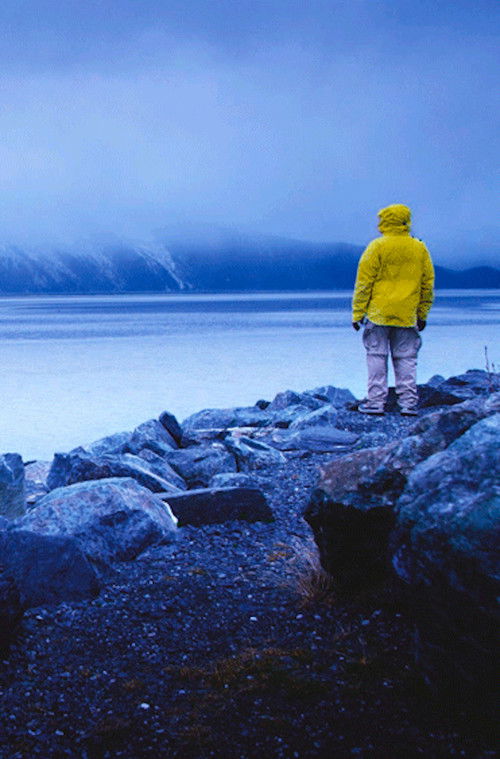
John Akomfrah's *Mnemosyne (2010)* weaves a haunting tapestry of memory and migration, blending archival footage with the stark beauty of Alaska's winter landscapes.
Director: John Akomfrah
Frequently Asked Questions
What is Mnemosyne (2010) about?
*Mnemosyne (2010)* is an experimental documentary essay that intertwines archival footage with Alaska's wintry landscapes to examine the immigrant experience in the UK. Director John Akomfrah uses poetic visuals to reflect on displacement, identity, and the lasting impact of migration since the 1950s.
Who directed Mnemosyne?
John Akomfrah directed *Mnemosyne (2010)*. Akomfrah is celebrated for his innovative documentary style, often blending history, politics, and personal narrative.
Who stars in Mnemosyne?
Cast details for *Mnemosyne (2010)* are not publicly listed.
Is Mnemosyne (2010) worth watching?
*Mnemosyne (2010)* is worth watching for its striking visuals and thought-provoking themes, even without a traditional plot. As an experimental film, it prioritizes atmosphere and reflection over conventional storytelling, making it a unique experience for fans of arthouse documentaries.
How long is Mnemosyne?
*Mnemosyne (2010)* has a runtime of 45 minutes.
About Mnemosyne (2010) — Exploring Memory and Migration in a Stunning Experimental Film
John Akomfrah's *Mnemosyne (2010)* weaves a haunting tapestry of memory and migration, blending archival footage with the stark beauty of Alaska's winter landscapes. This experimental documentary essay explores the immigrant experience in the UK, tracing the journeys of those who arrived from the 1950s onward. The film's evocative visuals and layered narrative invite viewers to reflect on displacement, identity, and the enduring echoes of the past.
Akomfrah, known for his poetic and politically charged documentaries, crafts a deeply personal yet universally resonant story here. The contrast between archival images and Alaskan scenery underscores themes of resilience and belonging, making *Mnemosyne (2010)* a profound meditation on how history shapes the present.