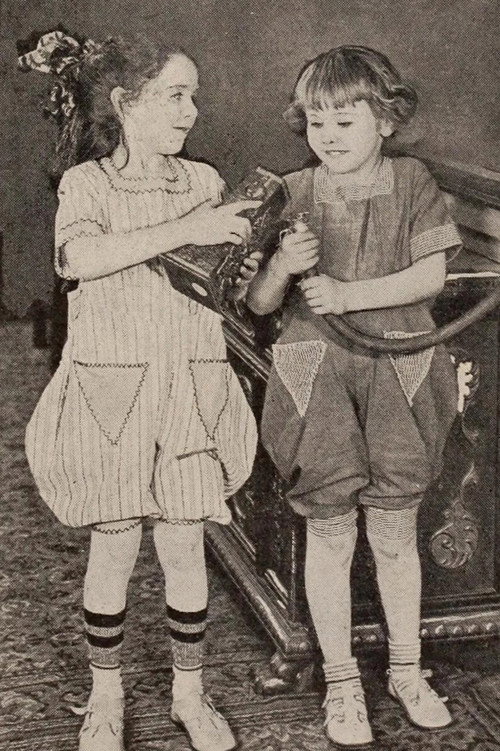
Dixie Madcaps 1918
Step back to 1918 and meet the Lee sisters in *Dixie Madcaps*, a lively two-reel comedy that captures the energy of early vaudeville on the silver screen.
Director: Tefft Johnson
Cast
Frequently Asked Questions
What is Dixie Madcaps (1918) about?
*Dixie Madcaps* is a short silent comedy featuring vaudeville stars Jane and Katherine Lee as they navigate a series of lighthearted mishaps. Set against the backdrop of early 20th-century America, the film leans into exaggerated humor and musical interludes typical of the era. While the plot is simple, its comedic charm lies in the sisters' energetic performances.
Who directed Dixie Madcaps?
The film was directed by Tefft Johnson, a filmmaker known for his work in early silent cinema.
Who stars in Dixie Madcaps?
The film stars Jane Lee and Katherine Lee, the vaudeville duo at the heart of the comedy, alongside a large supporting cast.
Is Dixie Madcaps (1918) worth watching?
As a silent-era comedy rooted in vaudeville traditions, *Dixie Madcaps* is best appreciated for its historical and cultural significance rather than modern expectations. Silent film fans may find its energy and cast entertaining, though its humor and depictions may feel dated. It's a curiosity rather than a must-watch.
How long is Dixie Madcaps?
Runtime details are not listed.
About Dixie Madcaps (1918) — A Silent-Era Comedy with the Lee Sisters
Step back to 1918 and meet the Lee sisters in *Dixie Madcaps*, a lively two-reel comedy that captures the energy of early vaudeville on the silver screen. Directed by Tefft Johnson, this short film blends exaggerated humor with the musical and visual flair typical of the era, featuring Jane and Katherine Lee alongside a lively ensemble cast. While the humor reflects the conventions of its time—including caricatures that may feel jarring today—the film's fast-paced antics and spirited performances offer a window into the entertainment landscape of the early 20th century.
*Dixie Madcaps (1918)* stands as a curiosity for silent film enthusiasts, blending slapstick comedy with the charm of vaudeville traditions. Though its cultural context may not resonate with modern audiences, the Lee sisters' comedic timing and Johnson's direction create a snapshot of a bygone entertainment style. For fans of early cinema, the film is less about narrative depth and more about the infectious energy of its performers.