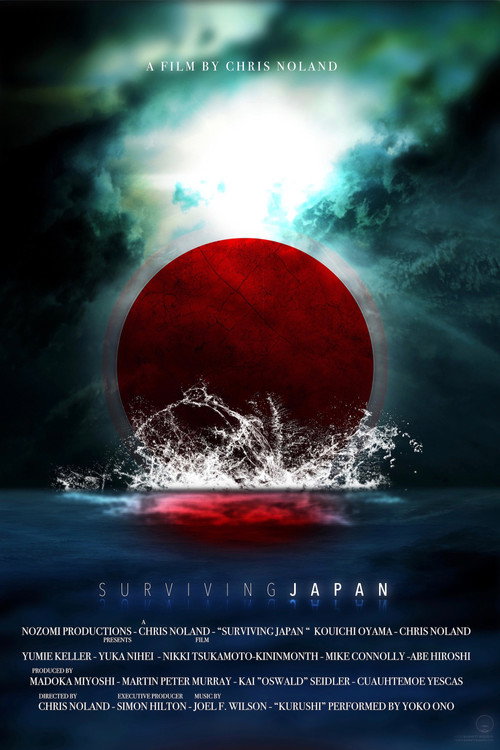
3.11: Surviving Japan 2013
"Natural Disaster. Manmade Catastrophe."
Directed by Christopher Noland, *3.11: Surviving Japan (2013)* unpacks the harrowing aftermath of the Fukushima nuclear disaster through the eyes of an American volunteer who witnessed the unfolding crisis firsthand.
Director: Christopher Noland
Cast
Frequently Asked Questions
What is *3.11: Surviving Japan (2013)* about?
This documentary follows an American volunteer who joined the cleanup after the 2011 Fukushima nuclear disaster, uncovering a web of government deception and inadequate relief efforts. Their journey exposes the human and environmental toll of a crisis where transparency was sacrificed for control.
Who directed *3.11: Surviving Japan*?
Christopher Noland helmed the film, masterfully weaving personal experience with investigative storytelling.
Who stars in *3.11: Surviving Japan*?
The documentary features Christopher Noland himself alongside anti-nuclear advocate Helen Caldicott and former Minamisoma mayor Katsunobu Sakurai.
Is *3.11: Surviving Japan (2013)* worth watching?
As a documentary that challenges official narratives, *3.11: Surviving Japan* offers a compelling, thought-provoking watch for those interested in disaster response and nuclear ethics. Its directorial honesty and emotional weight make it a standout in the genre, even without an IMDb rating.
How long is *3.11: Surviving Japan*?
The film runs for 90 minutes.
About 3.11: Surviving Japan (2013) — A Volunteer's Exposé on Fukushima's Hidden Truths
Directed by Christopher Noland, *3.11: Surviving Japan (2013)* unpacks the harrowing aftermath of the Fukushima nuclear disaster through the eyes of an American volunteer who witnessed the unfolding crisis firsthand. This gripping documentary exposes the intersection of natural disaster and industrial failure, revealing how authorities mishandled both the tsunami relief efforts and the nuclear meltdown that followed. With a tone that balances urgency and introspection, the film immerses viewers in the chaos of the cleanup while questioning the transparency of those in power.
Noland's investigative lens uncovers uncomfortable truths about the human cost of the disaster, blending personal testimony with broader critiques of crisis management. The documentary's raw atmosphere captures the resilience of those affected while demanding accountability for the systemic failures that exacerbated the catastrophe. *3.11: Surviving Japan* isn't just a record of events—it's a call to confront the consequences of silence in the face of disaster.