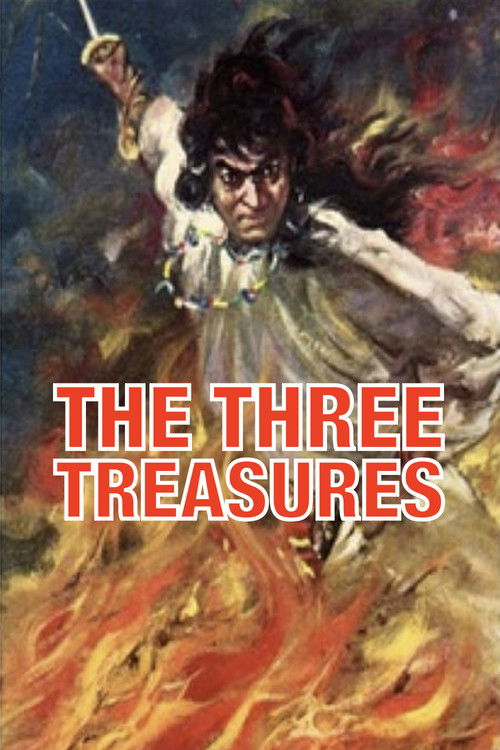
The Three Treasures 1959
"The Birth of Japan!"
Directed by Hiroshi Inagaki, the epic historical fantasy *The Three Treasures (1959)* weaves a captivating tale of betrayal, destiny, and divine favor set in fourth-century Japan.
Director: Hiroshi Inagaki
Cast
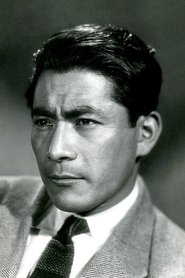
Toshirō Mifune
Prince Yamato Takeru
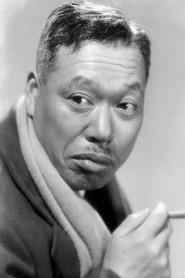
Takashi Shimura
Elder Kumaso

Setsuko Hara
Amaterasu, the Sun Goddess

Kinuyo Tanaka
Princess Yamato

Yōko Tsukasa
Princess Oto Tachibana

Kyōko Kagawa
Princess Miyazu

Kumi Mizuno
Azami

Misa Uehara
Princess Kushinada

Akira Kubo
Prince Iogi

Akira Takarada
Prince Wakatarashi
Frequently Asked Questions
What is The Three Treasures (1959) about?
The film follows Prince Ouso, who escapes assassination plots by his stepfather's scheming vassal and reinvents himself as Yamato Takeru. On a journey fraught with danger, he uncovers divine protection while battling political rivals and embracing his destined role in shaping Japan's spiritual legacy.
Who directed The Three Treasures?
Hiroshi Inagaki, a master of Japanese historical epics known for blending action with deep cultural themes.
Who stars in The Three Treasures?
The legendary ensemble includes Toshirō Mifune as the heroic prince, alongside Takashi Shimura, Setsuko Hara, and Kinuyo Tanaka in pivotal roles.
Is The Three Treasures (1959) worth watching?
As a cornerstone of 1950s Japanese cinema, *The Three Treasures* shines with Mifune's charisma and Inagaki's grand storytelling. While its age shows in pacing, its themes of destiny and myth still resonate, making it a rewarding watch for fans of historical dramas and fantasy.
How long is The Three Treasures?
The Three Treasures runs 182 minutes, offering an immersive journey through ancient Japan.
About The Three Treasures (1959) — A Mythic Saga of Deception and Divine Favor
Directed by Hiroshi Inagaki, the epic historical fantasy *The Three Treasures (1959)* weaves a captivating tale of betrayal, destiny, and divine favor set in fourth-century Japan. At its heart is Prince Ouso, whose life is upended when a cunning vassal plots to deny him the throne in favor of his stepbrother. Fleeing under the alias Yamato Takeru, the prince embarks on perilous quests that test his courage while the gods whisper their support. With Toshirō Mifune leading an all-star cast, the film blends breathtaking action with profound themes of loyalty, fate, and the birth of Shinto traditions.
The drama unfolds against a richly detailed backdrop of ancient castles and sacred landscapes, where every battle and ritual feels steeped in myth. Inagaki crafts a sweeping narrative that celebrates resilience and the power of destiny, all while delivering stunning sequences of swordplay and mythic grandeur. It's a story that feels timeless, yet rooted in the very soil of Japan's legendary past.