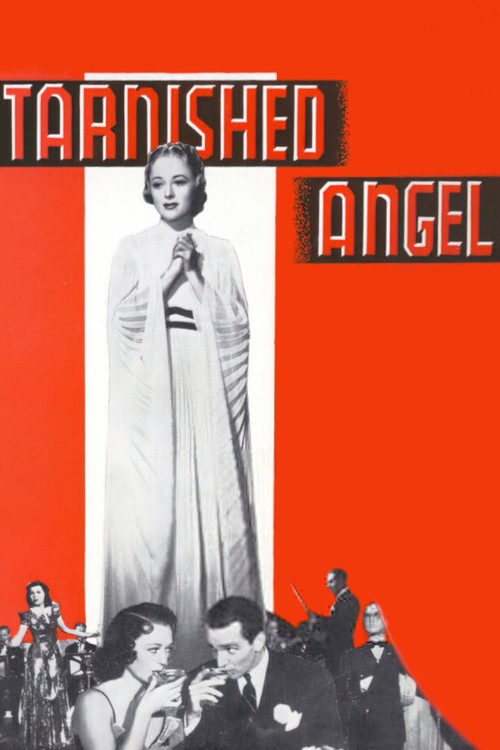
Tarnished Angel 1938
"Sensational Expose Of "Miracle Racket"!"
Tarnished Angel (1938) thrusts Sally Eilers into the role of a showgirl whose past indiscretions force her into a desperate reinvention.
Director: Leslie Goodwins
Cast



Frequently Asked Questions
What is Tarnished Angel (1938) about?
Tarnished Angel follows a disgraced showgirl who reinvents herself as a phony evangelist, selling bogus cures to desperate people. Her new life as a "miracle worker" becomes a desperate gamble for survival, blending crime with religious deception.
Who directed Tarnished Angel?
Tarnished Angel was directed by Leslie Goodwins, known for his work in B-movies and comedy during Hollywood's Golden Age.
Who stars in Tarnished Angel?
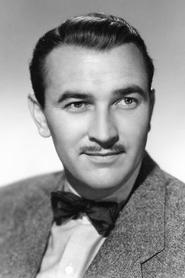
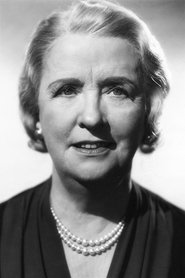
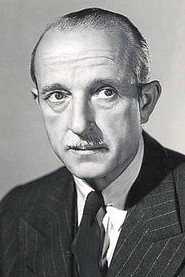
The film stars Sally Eilers, Lee Bowman, Ann Miller, Alma Kruger, and Paul Guilfoyle.
Is Tarnished Angel (1938) worth watching?
Though unrated on IMDb, Tarnished Angel offers a fascinating snapshot of 1930s social drama with a twist. Its short runtime and sharp themes make it a curious watch for fans of pre-Code Hollywood's bold storytelling.
How long is Tarnished Angel?
Tarnished Angel runs for 67 minutes.
About Tarnished Angel (1938) — A 1930s Drama of Fraud and False Miracles
Tarnished Angel (1938) thrusts Sally Eilers into the role of a showgirl whose past indiscretions force her into a desperate reinvention. Fleeing from the law, she cloaks herself in piety and sets up a fraudulent healing ministry, preying on the vulnerable under the guise of divine mercy. Directed by Leslie Goodwins, this Depression-era drama blends gritty realism with the dark humor of a society willing to believe in miracles—no matter the cost. With a cast featuring Lee Bowman, Ann Miller, and Alma Kruger, the film explores themes of deception, survival, and the fragility of human faith.
The atmosphere crackles with tension as the line between con artist and believer blurs, leaving audiences to question who is truly being duped. Under Goodwins' sharp direction, Tarnished Angel delivers a biting critique of religious exploitation wrapped in the gloss of 1930s social drama. Its compact 67-minute runtime keeps the story lean and impactful, making every scene count in this forgotten gem of Golden Age cinema.