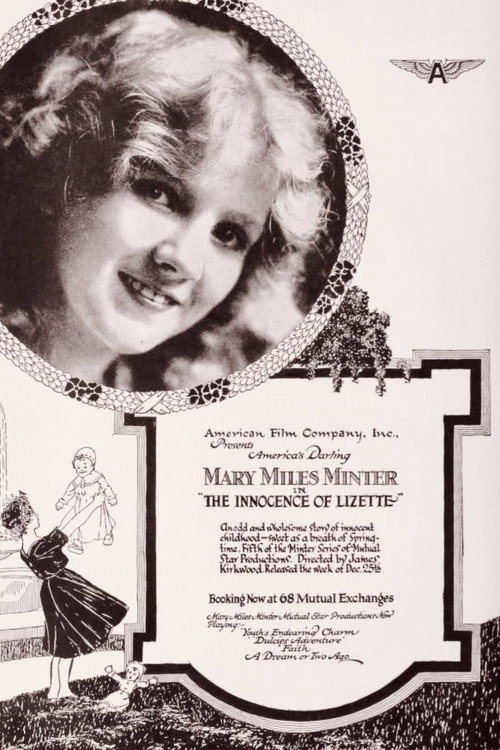
The Innocence of Lizette 1916
Set in the glittering yet treacherous world of early 20th-century high society, *The Innocence of Lizette (1916)* follows a wide-eyed orphan girl navigating an opulent mansion after being adopted by a wealthy benefactor.
Director: James Kirkwood
Cast


Frequently Asked Questions
What is The Innocence of Lizette (1916) about?
This silent-era film tells the story of Lizette, a street-smart orphan adopted by a wealthy man and thrust into the complex world of high society. Struggling to fit in, she navigates the expectations of upper-class life while clinging to her natural simplicity. The film captures her journey with humor and heart.
Who directed The Innocence of Lizette?
The Innocence of Lizette was directed by James Kirkwood, a prolific filmmaker of the silent era known for his keen eye for character-driven stories.
Who stars in The Innocence of Lizette?
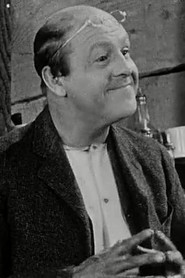
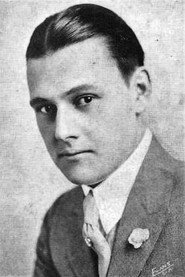
The film features Mary Miles Minter in the lead role, with supporting performances by Harvey Clark, Eugenie Forde, Ashton Dearholt, and Eugene Forde.
Is The Innocence of Lizette (1916) worth watching?
While it doesn't have an IMDb rating, *The Innocence of Lizette* offers a fascinating glimpse into early silent cinema, blending comedy and drama with a touching exploration of class. Fans of period pieces or vintage filmmaking may find it a charming watch.
How long is The Innocence of Lizette?
The Innocence of Lizette runs for 62 minutes, making it a concise and engaging silent-era feature.
About The Innocence of Lizette (1916) — A Silent-Era Comedy-Drama of Class and Identity
Set in the glittering yet treacherous world of early 20th-century high society, *The Innocence of Lizette (1916)* follows a wide-eyed orphan girl navigating an opulent mansion after being adopted by a wealthy benefactor. Directed by James Kirkwood, this silent-era blend of comedy and drama stars Mary Miles Minter in a heartfelt performance as Lizette, a girl whose simple charm clashes with the rigid expectations of aristocratic life. As she struggles to adapt to her new surroundings, the film explores themes of authenticity versus pretension, innocence versus worldliness, and the bittersweet nature of upward mobility.
The contrast between Lizette's humble origins and the lavish excess of her new home creates a visually rich narrative, where every gesture and glance carries weight. Kirkwood's direction infuses the story with a gentle humor and a touch of social commentary, making *The Innocence of Lizette (1916)* a poignant reflection on class, identity, and the universal longing to belong.