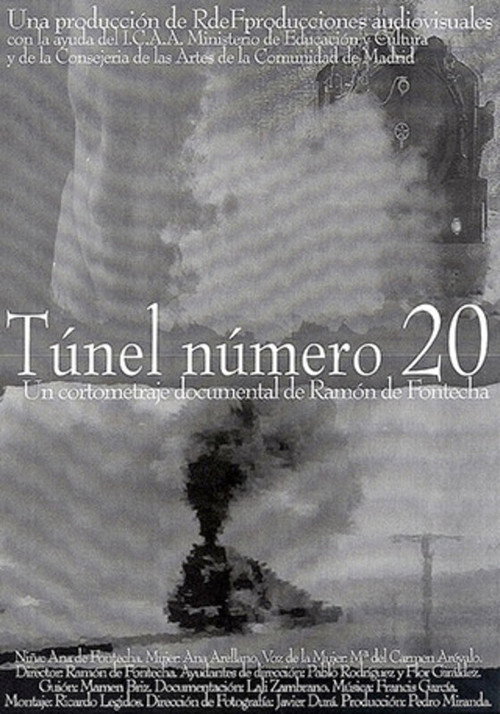
Túnel número 20 2002
This intense 14-minute documentary, *Túnel número 20* (2002), directed by Ramón de Fontecha, revisits Spain's darkest railway disaster—not just as an event, but as a window into an era defined by hardship and survival.
Director: Ramón de Fontecha
Frequently Asked Questions
What is *Túnel número 20* (2002) about?
*Túnel número 20* examines Spain's deadliest railway accident, using it as a lens to reflect on the harsh realities of life in the mid-20th century. It's not just about the disaster itself, but the collective struggle of a people fighting to survive in an unforgiving time.
Who directed *Túnel número 20*?
The film was directed by Ramón de Fontecha, a filmmaker known for his documentary work that blends historical detail with emotional depth.
Who stars in *Túnel número 20*?
Cast details for *Túnel número 20* are not publicly listed, focusing the film entirely on its historical narrative rather than individual performances.
Is *Túnel número 20* (2002) worth watching?
As a 14-minute documentary unrated on IMDb, *Túnel número 20* offers a brief but impactful look at a pivotal moment in Spanish history. Its raw storytelling and historical significance make it compelling for viewers interested in documentaries or Spain's past.
How long is *Túnel número 20*?
*Túnel número 20* runs for 14 minutes.
About Túnel número 20 (2002) — A 14-minute documentary on Spain's darkest railway tragedy
This intense 14-minute documentary, *Túnel número 20* (2002), directed by Ramón de Fontecha, revisits Spain's darkest railway disaster—not just as an event, but as a window into an era defined by hardship and survival. The tragedy becomes a haunting backdrop to explore the collective struggles of Spaniards during a period when resilience was the only way forward. Through stark visuals and unflinching storytelling, the film captures the raw atmosphere of post-war Spain, where every day was a fight for existence.
A short but powerful reflection on memory and loss, *Túnel número 20* transforms a historical footnote into a poignant meditation on how societies endure. The documentary's focus on survival over spectacle makes it a standout piece in Spanish cinema, offering viewers a glimpse into the emotional weight of a nation's past. Whether you're a history buff or a fan of raw, observational filmmaking, this is a film that lingers long after the credits roll.