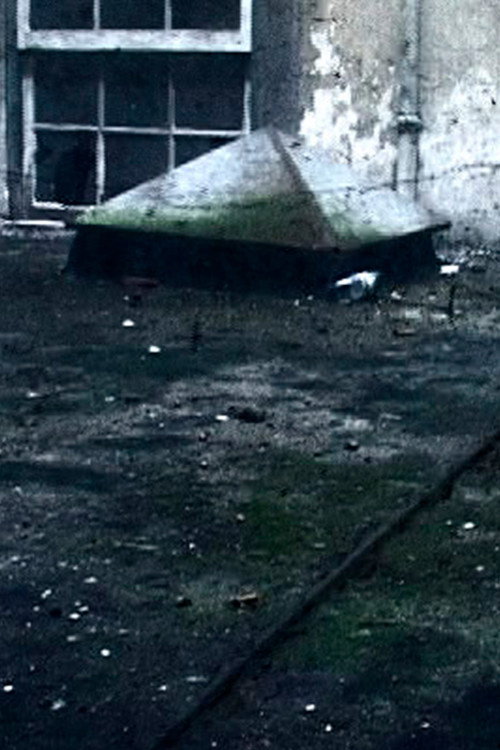
Remains 2002
Sandro Aguilar's *Remains (2002)* is a hauntingly minimalist short film that strips away motion and sound to expose the raw quiet of decay.
Director: Sandro Aguilar
Frequently Asked Questions
What is Remains (2002) about?
*Remains* explores a place frozen in time, where the remnants of something once alive now only echo through stillness. The film captures the unnerving presence of absence, turning a seemingly ordinary setting into a vessel for quiet dread. It's less about what happened and more about the haunting persistence of what's left behind.
Who directed Remains?
Director information is not available.
Who stars in Remains?
Cast details for *Remains (2002)* are not listed.
Is Remains (2002) worth watching?
At just 12 minutes, *Remains* is a niche but impactful experience for fans of experimental cinema. Its stark, minimalist approach may not suit all tastes, but it lingers in the mind as a bold statement on silence and decay. Whether it's 'worth it' depends on how much you value atmosphere over traditional narrative.
How long is Remains?
The runtime for *Remains (2002)* is 12 minutes.
About Remains (2002) — A Short Film Where Silence Speaks Volumes
Sandro Aguilar's *Remains (2002)* is a hauntingly minimalist short film that strips away motion and sound to expose the raw quiet of decay. The 12-minute piece traps the viewer in a claustrophobic space where the air itself seems to resist existence—particles collide in static silence, the wind no longer stirs the stairs, and the room next door holds no whispers of life. It's a meditation on absence, where the past isn't just lingering but actively suffocating, pressing void against void without mercy. The film's eerie atmosphere lingers long after the screen fades, leaving an indelible impression of something that happened so long ago it's now a ghost haunting the edges of memory.
Aguilar crafts *Remains* with a deliberate sparseness that turns a small, unadorned setting into a pressure cooker of existential tension. There are no grand performances or sweeping visuals here—just the slow, suffocating weight of nothingness given form, a testament to how absence can become its own kind of presence. The film's power lies in what it doesn't show, inviting viewers to fill the silence with their own unspoken anxieties.