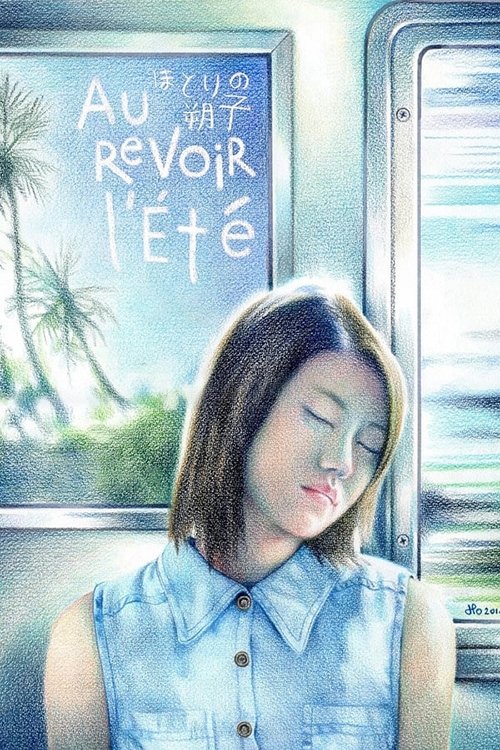
Au revoir l'été 2013
Directed by Koji Fukada, *Au revoir l'été (2013)* is a tender drama set against the sun-drenched backdrop of a coastal Japanese town. After her university entrance exam ends in disappointment, Sakuko escapes to the seaside at the invitation of her warm-hearted aunt Mikie.
Director: Koji Fukada
Cast





Frequently Asked Questions
What is Au revoir l'été (2013) about?
After failing her university entrance exam, Sakuko joins her aunt Mikie in a coastal town for a summer of self-discovery. There, she reconnects with the past and forms a tender bond with Takashi, a shy family member of her childhood friend, as the season's beauty and impermanence gently shape her future.
Who directed Au revoir l'été?
Koji Fukada, known for his subtly powerful storytelling, directed this reflective drama.
Who stars in Au revoir l'été?
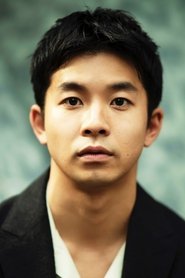
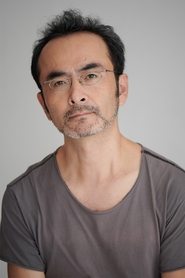
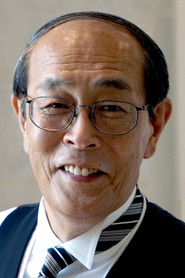
The film stars Fumi Nikaido as Sakuko, Mayu Tsuruta as Mikie, and Taiga Nakano as Takashi, with supporting roles from Kanji Furutachi, Tadashi Otake, and Ena Koshino.
Is Au revoir l'été (2013) worth watching?
*Au revoir l'été* is a quietly rewarding drama that fans of character-driven stories will appreciate. Its understated charm and focus on personal growth make it a compelling watch, even without a high-octane plot. The film's themes of fleeting moments and new beginnings resonate strongly within its genre.
How long is Au revoir l'été?
The film runs for 125 minutes, offering a leisurely yet immersive cinematic experience.
🎥 Trailer
About Au revoir l'été (2013) — A Poignant Summer Drama by Koji Fukada
Directed by Koji Fukada, *Au revoir l'été (2013)* is a tender drama set against the sun-drenched backdrop of a coastal Japanese town. After her university entrance exam ends in disappointment, Sakuko escapes to the seaside at the invitation of her warm-hearted aunt Mikie. There, she reconnects with forgotten memories and encounters Takashi, a quiet relative of her childhood friend, sparking an understated connection. The film unfolds like a summer breeze, weaving together themes of nostalgia, fleeting connections, and the quiet resilience of young adults finding their place in the world.
With its gentle pacing and naturalistic performances, Fukada's story captures the bittersweet essence of transition—both personal and generational. The film's atmosphere is rich with the sounds of cicadas, the scent of salt air, and the lingering weight of unspoken emotions, making it a reflective meditation on youth, change, and the roads not taken.