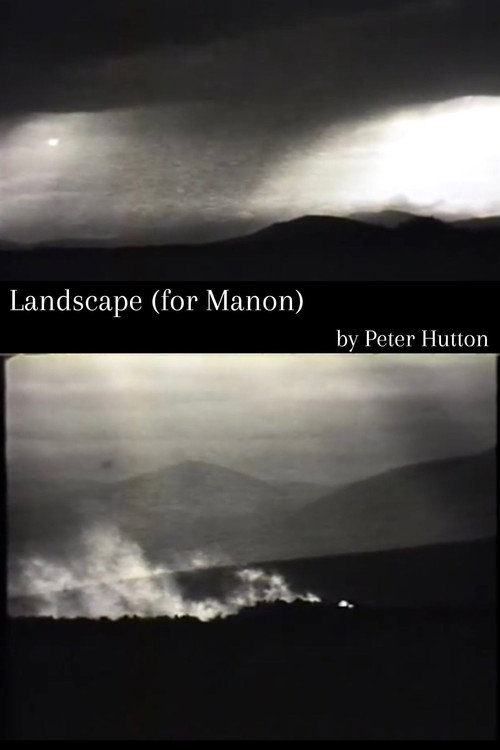
Landscape (for Manon) 1987
Peter Hutton's *Landscape (for Manon)* (1987) is a mesmerizing 13-minute documentary that transforms everyday natural vistas into a poetic meditation on time, memory, and beauty.
Director: Peter Hutton
Frequently Asked Questions
What is Landscape (for Manon) (1987) about?
*Landscape (for Manon)* is a short documentary that captures fleeting natural scenes—rivers, fields, and skies—edited into a serene reflection on beauty and transience. The film feels like a love letter to the filmmaker's daughter, blending personal emotion with universal landscapes.
Who directed Landscape (for Manon)?
Peter Hutton directed *Landscape (for Manon)* (1987), a filmmaker known for his meditative approach to observational documentary.
Who stars in Landscape (for Manon)?
Cast details for *Landscape (for Manon)* are not publicly documented.
Is Landscape (for Manon) (1987) worth watching?
Absolutely—if you appreciate slow, visually rich cinema, this 13-minute documentary is a hidden treasure. Its quiet intensity and artistic composition make it a standout for fans of poetic, experimental filmmaking.
How long is Landscape (for Manon)?
The runtime for *Landscape (for Manon)* is 13 minutes.
About Landscape (for Manon) (1987) — A poetic 13-minute documentary that turns nature into a visual symphony
Peter Hutton's *Landscape (for Manon)* (1987) is a mesmerizing 13-minute documentary that transforms everyday natural vistas into a poetic meditation on time, memory, and beauty. Shot with a painterly eye, the film stitches together fleeting moments of light, water, and earth into a rhythmic visual poem, evoking both nostalgia and wonder. Its languid pacing invites viewers to slow down, reflecting on the quiet majesty of landscapes often overlooked. A tender homage to the filmmaker's daughter, the short film blends simplicity with emotional depth, leaving a lasting impression long after the credits roll.
Though brief in runtime, *Landscape (for Manon)* stands as a testament to Hutton's mastery of observational cinema. The documentary's meditative quality makes it a hidden gem for fans of slow, immersive filmmaking, offering a rare blend of visual artistry and personal reflection that lingers in the mind like a half-remembered dream.