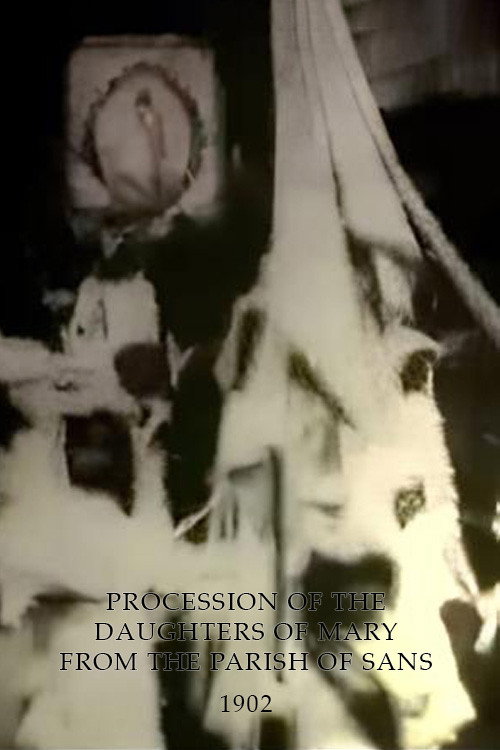
Procession of the Daughters of Mary from the Parish of Sans 1902
Step back in time to 1902 with *Procession of the Daughters of Mary from the Parish of Sans (1902)*, an early Spanish documentary directed by pioneering filmmaker Fructuós Gelabert.
Director: Fructuós Gelabert
Frequently Asked Questions
What is Procession of the Daughters of Mary from the Parish of Sans (1902) about?
*Procession of the Daughters of Mary from the Parish of Sans* documents a religious parade in Barcelona's Sants district, featuring young girls in white dresses marching alongside musicians, soldiers, and local adults carrying religious symbols. The film captures the cultural and spiritual essence of early 20th-century Catalan life in just two cinematic minutes.
Who directed Procession of the Daughters of Mary from the Parish of Sans?
The film was directed by Fructuós Gelabert, a trailblazer in Spanish cinema whose work helped shape the country's early film industry.
Who stars in Procession of the Daughters of Mary from the Parish of Sans?
Cast details for this historic documentary are not recorded, as early silent films rarely credited performers.
Is Procession of the Daughters of Mary from the Parish of Sans (1902) worth watching?
As one of the earliest surviving examples of Spanish cinema, this short documentary offers invaluable historical and cultural insight. While not a narrative film, its preservation and atmospheric depiction of 1900s Catalan traditions make it a fascinating watch for film buffs and history lovers.
How long is Procession of the Daughters of Mary from the Parish of Sans?
The film runs for 2 minutes, a brief but historically rich snapshot of early cinema.
About Procession of the Daughters of Mary from the Parish of Sans (1902) — Witness a 1902 Catalan religious procession preserved in early cinema
Step back in time to 1902 with *Procession of the Daughters of Mary from the Parish of Sans (1902)*, an early Spanish documentary directed by pioneering filmmaker Fructuós Gelabert. This two-minute silent gem captures a vivid snapshot of Barcelona's Sants neighborhood, where young girls in pristine white dresses lead a solemn religious procession through streets alive with music, marching soldiers, and ornate religious banners. The film offers a rare window into Catalan cultural traditions of the era, blending spiritual reverence with community celebration. Shot in the infancy of cinema, this short documentary stands as a testament to early filmmaking's ability to preserve fleeting moments of history.
Gelabert's work transports viewers to a world where faith, tradition, and community intertwine, all framed by the stark simplicity of early cinematic techniques. The procession's atmosphere is one of quiet dignity, with each detail—from the white dresses to the musical accompaniment—reflecting the cultural pride of the parish. Though brief, the film carries significant historical weight, marking it as one of the earliest surviving pieces of Spanish cinema and a must-see for film historians and culture enthusiasts alike.