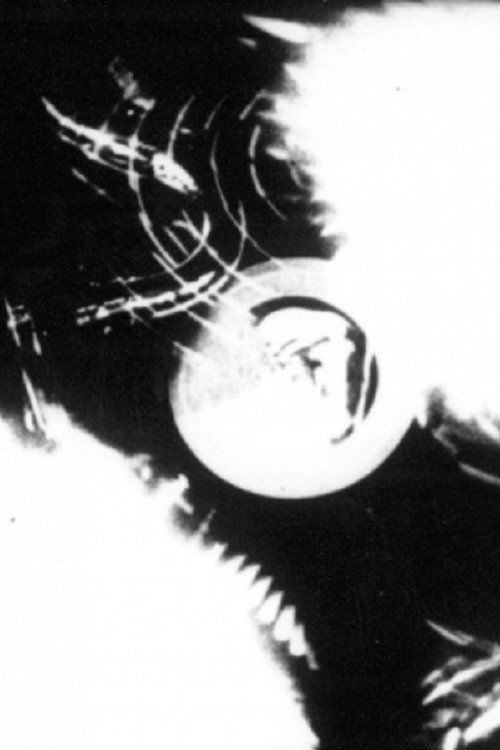
Record 957 1928
Germaine Dulac's Record 957 (1928) is a mesmerizing six-minute silent film that transforms Frédéric Chopin's Preludes No. 5 and 6 into a visual symphony of abstract motion.
Director: Germaine Dulac
Frequently Asked Questions
What is Record 957 (1928) about?
Record 957 (1928) is a short silent film that translates Frédéric Chopin's Preludes No. 5 and 6 into a purely visual experience. Instead of a traditional plot, the film uses abstract imagery and rhythmic editing to evoke the emotional and dynamic essence of the music.
Who directed Record 957?
Record 957 was directed by Germaine Dulac, a pioneering French filmmaker known for her innovative contributions to avant-garde cinema.
Who stars in Record 957?
Director information is not available.
Is Record 957 (1928) worth watching?
While Record 957 (1928) is a brief six-minute film, it offers a fascinating glimpse into early experimental cinema and Germaine Dulac's visionary approach. Its abstract nature makes it a niche but rewarding experience for fans of silent films and avant-garde art.
How long is Record 957?
Record 957 has a runtime of 6 minutes.
About Record 957 (1928) — Germaine Dulac's Abstract Silent Cinema Masterpiece
Germaine Dulac's Record 957 (1928) is a mesmerizing six-minute silent film that transforms Frédéric Chopin's Preludes No. 5 and 6 into a visual symphony of abstract motion. As the first in Dulac's celebrated trio of "pure cinema" experiments, including *Arabesques* and *Themes and Variations*, the film abandons narrative in favor of a hypnotic interplay between light, rhythm, and form. Each frame pulses with kinetic energy, mirroring the musical strains of the preludes through swirling shapes and shifting contrasts that invite viewers into a dreamlike space where sound and vision merge seamlessly.
Dulac's radical vision sought to redefine cinema as an art form independent of literature or theater, stripping away conventional storytelling to focus solely on the medium's intrinsic qualities. Record 957 (1928) captures this ambition through a mesmeric dance of visual motifs, where geometric patterns and fluid transitions evoke the emotional depth of Chopin's compositions. The result is a fleeting yet unforgettable cinematic experience, a testament to Dulac's pioneering spirit and her dedication to creating a "pure" film language.