Logging in Maine 1906
Step back to the dawn of cinema with *Logging in Maine (1906)*, a silent documentary capturing the raw rhythm of early 20th-century logging life.
Director: Billy Bitzer
Frequently Asked Questions
What is Logging in Maine (1906) about?
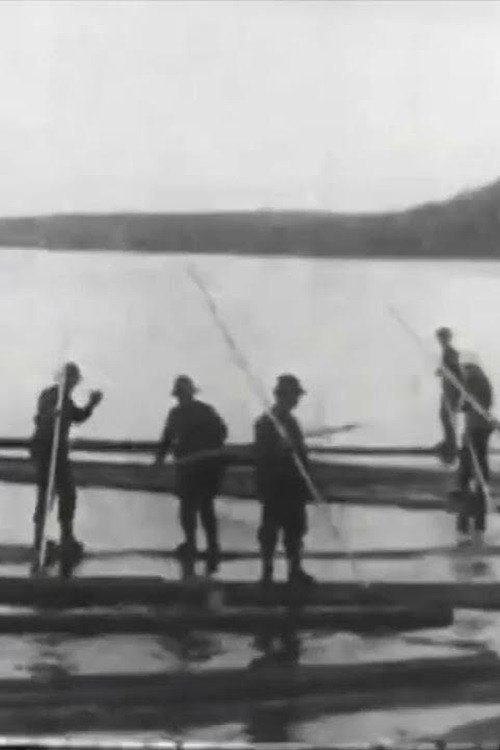
This silent documentary follows loggers in Maine as they transport cut timber down icy rivers to a nearby mill, using poles to guide the logs and prevent jams. The film captures the teamwork and physical labor behind early timber harvesting, offering a glimpse into 1900s industrial practices.
Who directed Logging in Maine?
The film was directed by Billy Bitzer, a pioneering cinematographer known for his collaborations with D.W. Griffith. Bitzer's work shaped early silent cinema through his innovative camera techniques and storytelling.
Who stars in Logging in Maine?
The cast includes a group of approximately a dozen loggers, though their names are not listed in historical records. The film focuses on their collective effort rather than individual performances.
Is Logging in Maine (1906) worth watching?
While it's a short silent film, *Logging in Maine* offers historical value for those interested in early labor practices or the evolution of documentary filmmaking. Its straightforward approach may not appeal to modern audiences seeking entertainment, but it's a compelling slice of cinematic history.
How long is Logging in Maine?
The runtime of *Logging in Maine* is 18 minutes.
🎥 Trailer
About Logging in Maine (1906) — A Silent-Era Documentary of Loggers and Timber Rivers
Step back to the dawn of cinema with *Logging in Maine (1906)*, a silent documentary capturing the raw rhythm of early 20th-century logging life. Directed by the legendary Billy Bitzer, this 18-minute short transports viewers to the rugged forests of Maine, where a team of loggers navigates icy rivers to guide massive timber toward the mill. The film's straightforward yet immersive visuals showcase the coordinated effort of a dozen workers as they steer floating logs with poles, ensuring the precious cargo flows smoothly downstream. Shot in stark black-and-white, the footage preserves a fleeting moment in industrial history, where man and nature collide in a dance of survival and labor.
Bitzer's no-frills approach strips away artifice, leaving only the unfiltered spectacle of log-driving—a lost art that once defined rural economies. The documentary's quiet intensity lies in its authenticity, offering a window into the grueling yet communal nature of early logging operations. While simple by modern standards, *Logging in Maine* remains a fascinating artifact for cinephiles and historians alike, a testament to the grit and ingenuity of America's industrial past.