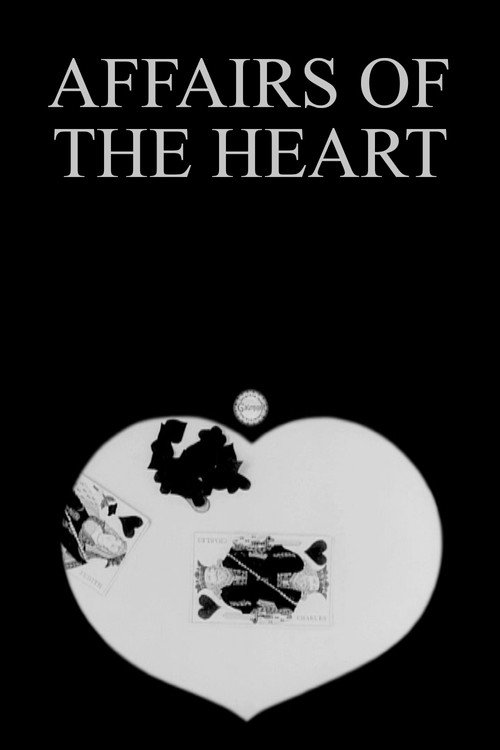
Affairs of the Heart 1909
Émile Cohl's Affairs of the Heart (1909) stands as a pioneering gem of early animation, where love takes shape in the most unexpected form—literally.
Director: Émile Cohl
Frequently Asked Questions
What is Affairs of the Heart (1909) about?
Affairs of the Heart (1909) is a brief but poetic animated film where a simple romantic story unfolds entirely through heart-shaped drawings. The visual narrative suggests the ups and downs of love, using abstract yet evocative imagery to convey emotional highs and gentle conflicts.
Who directed Affairs of the Heart?
Affairs of the Heart was directed by Émile Cohl, a visionary pioneer of animation whose experimental techniques helped shape the language of the medium.
Who stars in Affairs of the Heart?
Director information is not available.
Is Affairs of the Heart (1909) worth watching?
Though unrated and extremely short, Affairs of the Heart (1909) is a fascinating artifact of early animation history. Its innovative use of heart shapes to tell a love story offers a unique viewing experience, especially for fans of silent films or early experimental cinema.
How long is Affairs of the Heart?
Affairs of the Heart (1909) has a runtime of 4 minutes.
About Affairs of the Heart (1909) — The First Animated Love Story Told in Heart Shapes
Émile Cohl's Affairs of the Heart (1909) stands as a pioneering gem of early animation, where love takes shape in the most unexpected form—literally. This four-minute silent film unfolds through an almost abstract visual language, weaving a tender romantic tale using nothing but heart shapes drawn with whimsical precision. The atmosphere is dreamlike and playful, blending the innocence of early cinema with the boundless creativity of its animator. Though minimal in duration, the film's charm lies in its simplicity and the poetic way it transforms everyday symbols into a narrative of affection and connection.
With its near-abstract style, Affairs of the Heart (1909) predates the conventions of narrative animation, relying instead on the emotional resonance of its design. The use of heart motifs isn't just decorative; it becomes the very essence of the storytelling, evoking a sense of purity and universal love that transcends language. Cohl's experimental approach bridges the gap between art and cinema, offering a snapshot of early 20th-century creativity that still enchants modern audiences exploring the roots of the genre.