Dr. Cook at Copenhagen 1909
Dr. Cook at Copenhagen (1909) captures a fleeting moment in history when explorer Frederick Albert Cook's claim to be the first man to reach the North Pole sparked international acclaim and controversy.
Cast
Frequently Asked Questions
What is Dr. Cook at Copenhagen (1909) about?
This short documentary follows explorer Frederick Albert Cook's dramatic arrival in Copenhagen after his supposed conquest of the North Pole. Greeted as a hero by the king and university, Cook's triumph is quickly overshadowed by emerging doubts about his claims. The film documents the brief moment of glory before skepticism takes hold.
Who directed Dr. Cook at Copenhagen?
Director information is not available for Dr. Cook at Copenhagen (1909).
Who stars in Dr. Cook at Copenhagen?
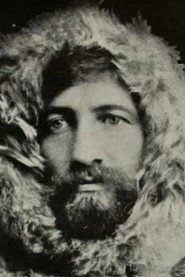
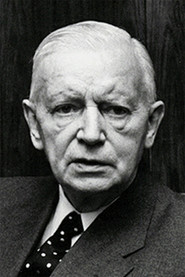
The film prominently features explorer Frederick Albert Cook, journalist Carl Theodor Dreyer, Louis Holstein-Ledreborg, King Christian X, and politician Niels Neergaard.
Is Dr. Cook at Copenhagen (1909) worth watching?
As a historical curiosity, Dr. Cook at Copenhagen offers a fascinating snapshot of early 20th-century polar exploration and media hype. Though a silent documentary under six minutes, it holds value for history and film enthusiasts interested in the intersection of science and spectacle. Its brevity and historical weight make it a niche but intriguing watch.
How long is Dr. Cook at Copenhagen?
Dr. Cook at Copenhagen (1909) runs for approximately 6 minutes.
🎥 Trailer
About Dr. Cook at Copenhagen (1909) — The Rise and Fall of a Polar Explorer's Legend
Dr. Cook at Copenhagen (1909) captures a fleeting moment in history when explorer Frederick Albert Cook's claim to be the first man to reach the North Pole sparked international acclaim and controversy. Arriving in the Danish capital aboard the ship Hans Egede, Cook was hailed as a hero, greeted by King Christian X and honored with an honorary doctorate from the University of Copenhagen. Yet the celebration was short-lived—within days, questions emerged about his expedition's credibility, and by December, the university rejected his documentation, shattering his reputation. This six-minute silent documentary by an unknown director immerses viewers in the charged atmosphere of early 20th-century scientific skepticism and public adoration. Through the lens of history, it explores themes of ambition, trust, and the fragile nature of human achievement.
As a piece of early cinema, Dr. Cook at Copenhagen offers a rare glimpse into the media frenzy surrounding polar exploration and the dramatic shift from hero to skeptic. With journalist Carl Theodor Dreyer among the onlookers, the film bridges the gap between documentary realism and the dramatic ironies of scientific discovery. Shot in a period of rapid polar exploration, it invites reflection on how legends are made—and unmade—in real time.