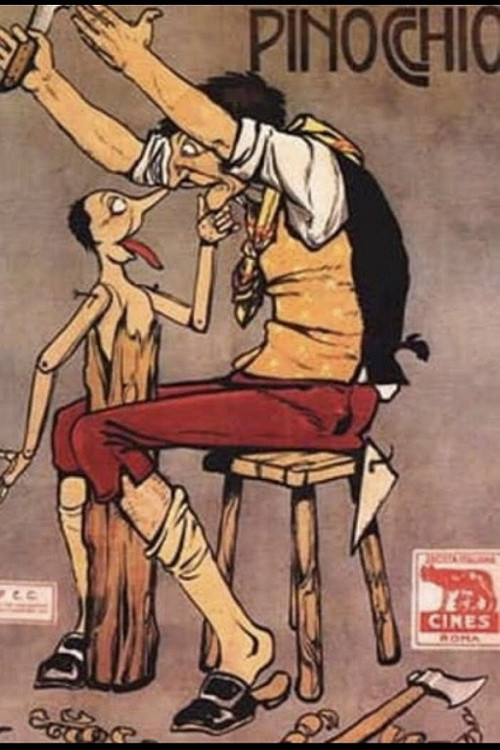
Pinocchio 1911
One of cinema's earliest magical moments unfolds in Giulio Antamoro's silent adaptation of Carlo Collodi's beloved tale.
Director: Giulio Antamoro
Cast

Frequently Asked Questions
What is Pinocchio (1911) about?
Carpenter Geppetto carves a lively boy from wood, only to watch his creation vanish into a world of adventure and moral discovery. Pinocchio races through streets and forests, learning that every lie inches him closer to losing what he values most.
Who directed Pinocchio?
Giulio Antamoro, a pioneer of Italian cinema, crafted this early silent version with a delicate touch that balanced fantasy and gentle moral storytelling.
Who stars in Pinocchio?
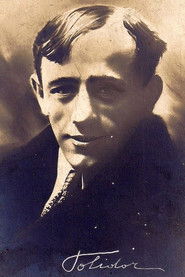
The film features Polidor in the title role, alongside Augusto Mastripietri, Natalino Guillaume, and Lea Giunchi, who bring warmth and energy to the classic characters.
Is Pinocchio (1911) worth watching?
Though unrated, its historical significance and charming storytelling make it a fascinating watch for fans of early cinema and timeless fairy tales. Its simple yet expressive style offers a rare glimpse into the birth of narrative filmmaking.
How long is Pinocchio?
Pinocchio runs for approximately 50 minutes, a brief but brisk journey through wood, wonder, and childhood.
About Pinocchio (1911) — The Silent Classic That Brought Wooden Wonders to Life
One of cinema's earliest magical moments unfolds in Giulio Antamoro's silent adaptation of Carlo Collodi's beloved tale. In Pinocchio (1911), the kindly carpenter Geppetto gives life to a wooden puppet that immediately dashes into a world where honesty and mischief dance side by side. Through rustic streets and moonlit forests, Pinocchio encounters playful temptations and hard-earned lessons, all rendered in the warm, grainy glow of early 20th-century filmmaking. The fantasy genre sparkles with childlike wonder, yet beneath the whimsy lies a timeless message about responsibility and the cost of telling lies—delivered through expressive performances and a delicate visual style.
Polydor's portrayal of the wooden hero captures both the puppet's jerky energy and his growing heart, while the supporting cast brings Collodi's gallery to life with gentle humor and quiet emotion. Antamoro's direction transforms a simple block of wood into a compelling character, inviting viewers to believe in the impossible—long before CGI ever existed. Watching Pinocchio (1911) feels like peering through a window into the very dawn of narrative cinema, where every frame hums with curiosity and a sense of possibility.