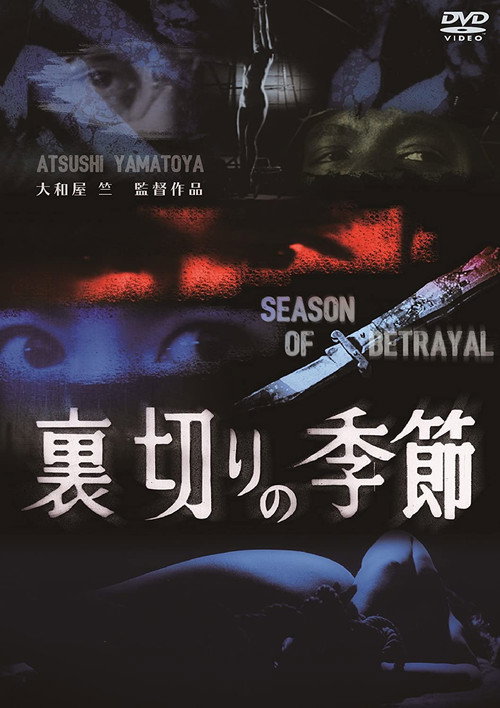
Season of Betrayal 1966
In Season of Betrayal (1966), acclaimed Japanese director Atsushi Yamatoya crafts a poignant wartime drama centered on a press photographer returning home from Vietnam.
Director: Atsushi Yamatoya
Cast
Frequently Asked Questions
What is Season of Betrayal (1966) about?
Season of Betrayal follows a war photographer who returns to Japan after Vietnam, only to confront the psychological scars of loss and betrayal. His journey becomes a meditation on grief, memory, and the fragmented nature of truth in a post-war world.
Who directed Season of Betrayal?
Atsushi Yamatoya directed Season of Betrayal, bringing a keen eye for realism and emotional depth to this understated wartime drama.
Who stars in Season of Betrayal?
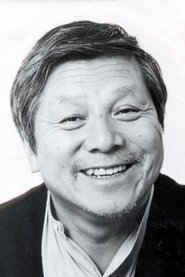
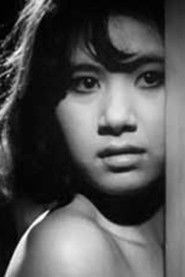
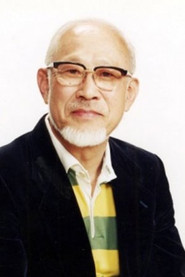
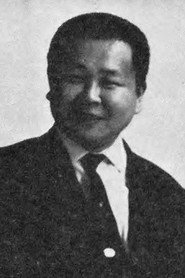
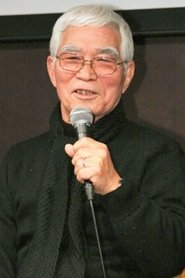
The film stars Yuzo Tachikawa as the lead photographer, alongside Shuri Taniguchi, Miharu Shima, and Mikio Terashima in key supporting roles.
Is Season of Betrayal (1966) worth watching?
While this 1966 Japanese drama isn't widely known, its intimate portrayal of war's aftermath and the power of its performances make it a compelling watch for fans of atmospheric, character-driven films. The lack of IMDb rating shouldn't deter viewers seeking an unconventional perspective on conflict and loss.
How long is Season of Betrayal?
Season of Betrayal runs for 77 minutes, offering a concise yet impactful cinematic experience.
Season of Betrayal (1966): A War Photographer's Haunting Return — Full Movie Info
In Season of Betrayal (1966), acclaimed Japanese director Atsushi Yamatoya crafts a poignant wartime drama centered on a press photographer returning home from Vietnam. Haunted by the loss of his close friend and fellow journalist, he grapples with survivor's guilt while navigating a fractured personal life. The film blends stark realism with poetic melancholy, capturing the disillusionment and moral weight of war through quiet, introspective storytelling.
Yuzo Tachikawa anchors the film with a subdued yet powerful performance, supported by an ensemble cast including Shuri Taniguchi and Miharu Shima. Yamatoya's direction infuses the story with a documentary-like immediacy, while the narrative explores themes of betrayal—not just by others, but by the camera lens itself, which distorts truth and memory. The atmosphere is one of quiet devastation, where every frame feels like a faded photograph slipping through time.