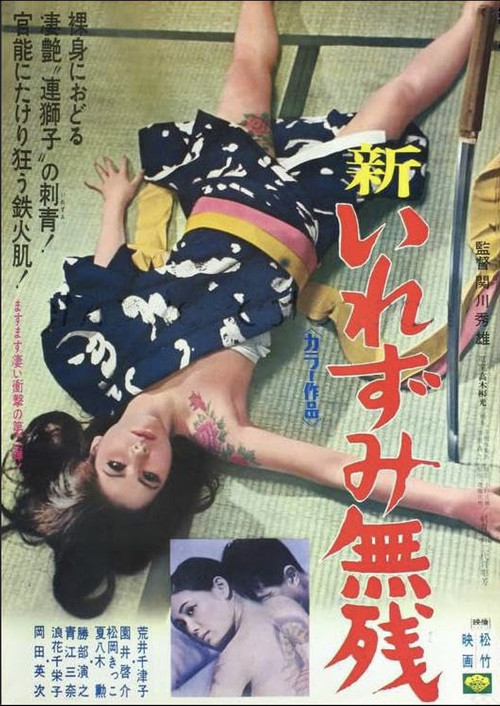
Devil in My Flesh 1968
Dive into the seedy underbelly of post-war Japan with *Devil in My Flesh (1968)*, a gritty drama-thriller directed by Hideo Sekigawa.
Director: Hideo Sekigawa
Cast

Chizuko Arai

Keisuke Sonoi

Kikko Matsuoka

Isao Natsuyagi

Nobuyuki Katsube

Mina Aoe

Chieko Naniwa
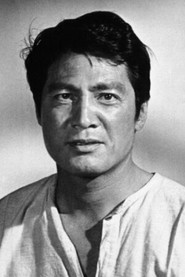
Eiji Okada
Frequently Asked Questions
What is Devil in My Flesh (1968) about?
This 1968 drama-thriller follows a tattooed prostitute in post-war Japan as she navigates the brutal streets of urban decay. Her story becomes a gripping exploration of survival, morality, and the inescapable grip of exploitation. Hideo Sekigawa's direction ensures a visceral, emotionally charged experience.
Who directed Devil in My Flesh?
Hideo Sekigawa, a filmmaker known for pushing boundaries in Japanese cinema, directed *Devil in My Flesh*.
Who stars in Devil in My Flesh?
The film features Chizuko Arai in a standout role, alongside Keisuke Sonoi, Kikko Matsuoka, Isao Natsuyagi, and Nobuyuki Katsube.
Is Devil in My Flesh (1968) worth watching?
While it lacks an IMDb rating, *Devil in My Flesh* is a bold choice for fans of Japanese New Wave cinema and gritty dramas. Its unflinching storytelling and atmospheric tension make it a rewarding watch for those seeking something outside the mainstream, though its heavy themes may not appeal to all viewers.
How long is Devil in My Flesh?
The runtime for *Devil in My Flesh* is 88 minutes.
About Devil in My Flesh (1968) — A Gritty Japanese Drama-Thriller You Can't Look Away From
Dive into the seedy underbelly of post-war Japan with *Devil in My Flesh (1968)*, a gritty drama-thriller directed by Hideo Sekigawa. This provocative film follows the harrowing journey of a tattooed prostitute navigating the dark corners of desire, exploitation, and survival in a morally complex world. With its raw, unflinching portrayal of urban decay, the movie blends psychological tension with visceral storytelling, creating an atmosphere that lingers long after the credits roll. Starring Chizuko Arai in a standout role, alongside Keisuke Sonoi and Kikko Matsuoka, the film explores themes of alienation, desperation, and the blurred lines between victim and perpetrator. Sekigawa's direction infuses every frame with a haunting realism, making *Devil in My Flesh* a cult classic for fans of Japanese New Wave cinema and bold, unconventional thrillers.
The movie's stark visuals and uncompromising narrative challenge viewers to confront societal taboos while delivering a visceral experience. Whether you're drawn to its historical context or its fearless approach to storytelling, *Devil in My Flesh (1968)* remains a fascinating exploration of human resilience against a backdrop of societal decay. For those seeking a film that defies easy categorization, this is a must-watch—if you dare.