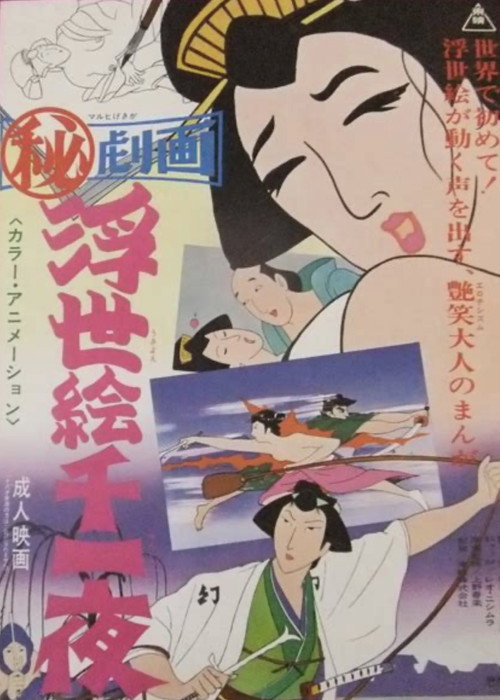
The Fantastic World of "Ukiyoe" 1969
Step into the vibrant and mesmerizing realm of Edo-period Japan with *The Fantastic World of "Ukiyoe"* (1969), a rare 70-minute color animated gem that breathes life into the timeless art of ukiyoe woodblock prints.
Director: Leo Nishimura
Frequently Asked Questions
What is *The Fantastic World of "Ukiyoe"* (1969) about?
This animated film transports viewers to Edo-period Japan, where the vivid world of ukiyoe woodblock prints comes alive. The story follows a series of dramatic and poetic vignettes, blending action and culture to showcase the beauty and transience of life in 17th-century Japan.
Who directed *The Fantastic World of "Ukiyoe"*?
Leo Nishimura directed this unique animated feature, infusing traditional ukiyoe aesthetics into a dynamic cinematic experience.
Who stars in *The Fantastic World of "Ukiyoe*"?
Cast details for this 1969 animated film are not widely documented, as it focuses more on visual storytelling than individual performances.
Is *The Fantastic World of "Ukiyoe"* (1969) worth watching?
While it's a niche animated film, *The Fantastic World of "Ukiyoe"* offers a visually stunning and culturally rich experience. Its 70-minute runtime is packed with artistic detail, making it a rewarding watch for fans of animation, history, or Japanese art.
How long is *The Fantastic World of "Ukiyoe"*?
The runtime for *The Fantastic World of "Ukiyoe"* is 70 minutes.
About The Fantastic World of "Ukiyoe" (1969) — Leo Nishimura's Animated Homage to Japan's Woodblock Art
Step into the vibrant and mesmerizing realm of Edo-period Japan with *The Fantastic World of "Ukiyoe"* (1969), a rare 70-minute color animated gem that breathes life into the timeless art of ukiyoe woodblock prints. Directed by Leo Nishimura, this animated masterpiece transcends conventional storytelling by immersing viewers in a dreamlike landscape where samurai warriors clash against breathtaking backdrops and geishas dance through cherry-blossomed streets. The film's visual narrative weaves together action and animation, capturing the essence of ukiyoe's rich textures, dramatic contrasts, and emotional depth. With its lush color palette and fluid animation, it's a cinematic love letter to an art form that defined an era.
Nishimura's direction transforms traditional ukiyoe motifs into dynamic, cinematic sequences, offering a fresh perspective on a centuries-old tradition. The film's themes of fleeting beauty, honor, and the transient nature of life resonate as strongly today as they did in the 17th century. Whether you're a history enthusiast, an animation aficionado, or simply curious about *The Fantastic World of "Ukiyoe"* (1969), this short but unforgettable journey promises a feast for the senses and a deeper appreciation for Japan's artistic heritage.