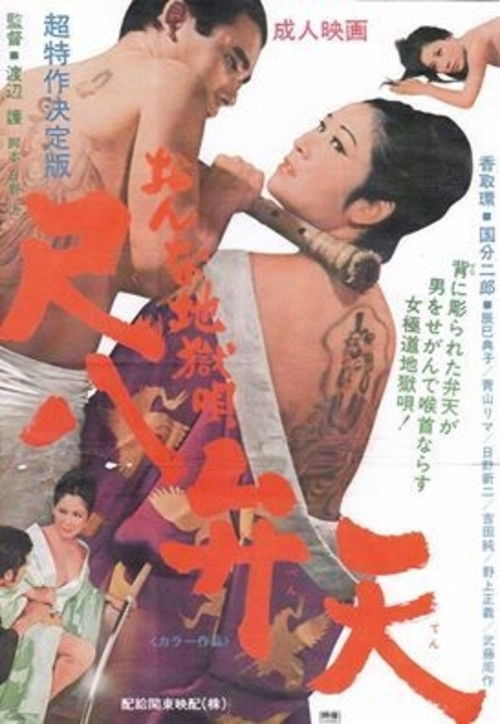
Women Hell Song 1970
In the realm of Japanese cinema, Women Hell Song (1970) stands as a poignant tale of outlaws and redemption. Directed by Mamoru Watanabe, this crime-drama follows Okayo, a rogue with a distinctive tattoo of the Buddhist Goddess of Love on her back.
Director: Mamoru Watanabe
Cast

Frequently Asked Questions
What is Women Hell Song (1970) about?
The film tells the story of Okayo, a rogue with a distinctive tattoo of the Buddhist Goddess of Love, as she navigates her past and finds solace in the mysterious Seigaku.
Who directed Women Hell Song?
Women Hell Song was directed by Mamoru Watanabe, a renowned Japanese filmmaker.
Who stars in Women Hell Song?
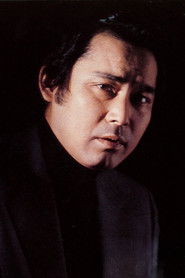
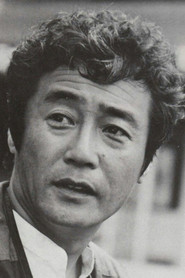
The main cast includes Tamaki Katori, Jiro Kokubu, and Noriko Tatsumi.
Is Women Hell Song (1970) worth watching?
While the film's IMDb rating is unavailable, Women Hell Song (1970) is a gripping crime-drama that explores complex themes and features outstanding performances.
How long is Women Hell Song?
The film has a runtime of 70 minutes.
About Women Hell Song (1970) — A Poignant Tale of Outlaws and Redemption
In the realm of Japanese cinema, Women Hell Song (1970) stands as a poignant tale of outlaws and redemption. Directed by Mamoru Watanabe, this crime-drama follows Okayo, a rogue with a distinctive tattoo of the Buddhist Goddess of Love on her back. As she navigates the treacherous landscape of her past, Okayo finds solace in the mysterious Seigaku, a shakuhachi player with his own secrets. The film weaves a complex web of themes, from the intersection of love and violence to the search for meaning in a chaotic world. With a runtime of 70 minutes, Women Hell Song (1970) is a gripping experience that will leave viewers enthralled. The cast, led by Tamaki Katori and Jiro Kokubu, delivers performances that bring depth and nuance to the narrative. As the story unfolds, the atmosphere becomes increasingly tense, propelling the audience towards a climactic conclusion. Women Hell Song (1970) is a must-watch for fans of Japanese crime dramas and those seeking a thought-provoking cinematic experience.
The film's use of the shakuhachi flute as a symbol of hope and redemption adds a layer of emotional depth to the narrative. Okayo's journey is a powerful exploration of the human condition, highlighting the complexities of love, loyalty, and survival. With its unique blend of drama and crime, Women Hell Song (1970) is a film that will resonate with viewers long after the credits roll.
Women Hell Song (1970) is a hidden gem in the world of Japanese cinema, waiting to be discovered by audiences worldwide. Its thought-provoking themes, combined with its gripping narrative and outstanding performances, make it a must-watch for anyone interested in crime dramas and Japanese culture.