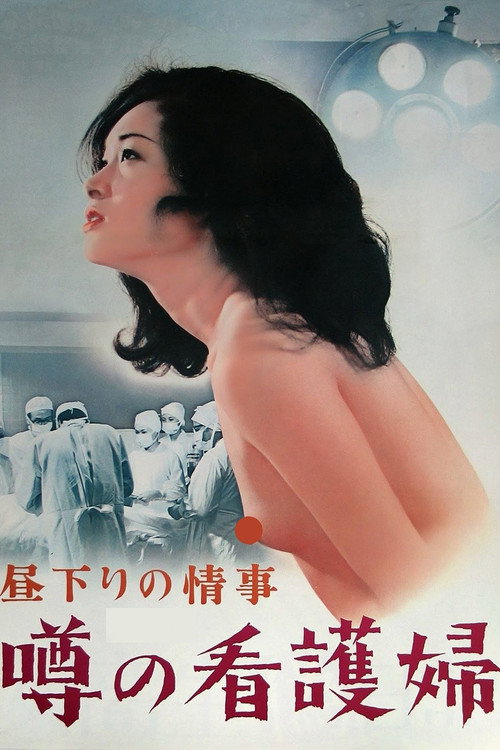
Afternoon Affair: Married Nurse Rumor 1974
Set in the clinical sterility of a 1970s medical institution, *Afternoon Affair: Married Nurse Rumman* (1974) plunges into a harrowing tale of trauma and hidden corruption.
Director: Katsuhiko Fujii
Cast


Frequently Asked Questions
What is Afternoon Affair: Married Nurse Rumor (1974) about?
The film follows a married nurse whose assault in a doctor's office haunts her long after the attack. As she searches for her attacker, she uncovers a culture of silence and corruption within her institution, exposing how easily power can be abused behind closed doors.
Who directed Afternoon Affair: Married Nurse Rumor?
Katsuhiko Fujii directed this gripping drama, known for his ability to blend intimate character studies with broader social critiques.
Who stars in Afternoon Affair: Married Nurse Rumor?
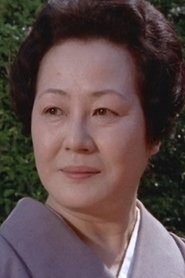
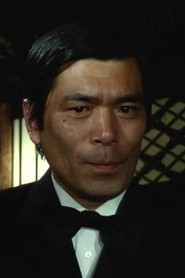
The film features Kyôko Miri, Nozomi Yasuda, Ayako Ichikawa, Mikiko Sakai, and Tatsuya Hamaguchi in key roles.
Is Afternoon Affair: Married Nurse Rumor (1974) worth watching?
While not rated on IMDb, its tense atmosphere and bold themes make it a standout in Japanese drama. Fans of psychological and institutional critiques will find it a compelling, if unsettling, experience—but be prepared for a heavy subject.
How long is Afternoon Affair: Married Nurse Rumor?
The film runs for 73 minutes.
About Afternoon Affair: Married Nurse Rumor (1974) — A Nurse's Search for Truth in a Medical Nightmare
Set in the clinical sterility of a 1970s medical institution, *Afternoon Affair: Married Nurse Rumman* (1974) plunges into a harrowing tale of trauma and hidden corruption. Directed by Katsuhiko Fujii, this intense drama follows a married nurse whose assault in a doctor's office leaves her trapped in a cycle of intrusive memories and gnawing suspicion. As she searches for her attacker, she uncovers a web of deceit that extends far beyond the walls of the hospital, exposing the darker side of an institution meant to heal. With its oppressive atmosphere and unflinching exploration of power and betrayal, the film transforms a personal ordeal into a searing indictment of systemic neglect.
Kyôko Miri leads the cast in a performance that balances vulnerability with quiet resilience, while Nozomi Yasuda and Ayako Ichikawa lend emotional depth to the story's escalating tension. Fujii crafts a claustrophobic mood where trust is a luxury and silence is the default response to scandal. This entry in Japanese drama cinema lingers as a raw, unsettling reflection on institutional complicity and the lingering scars of violence, making it a compelling, if difficult, watch for fans of gritty, thematically rich storytelling.