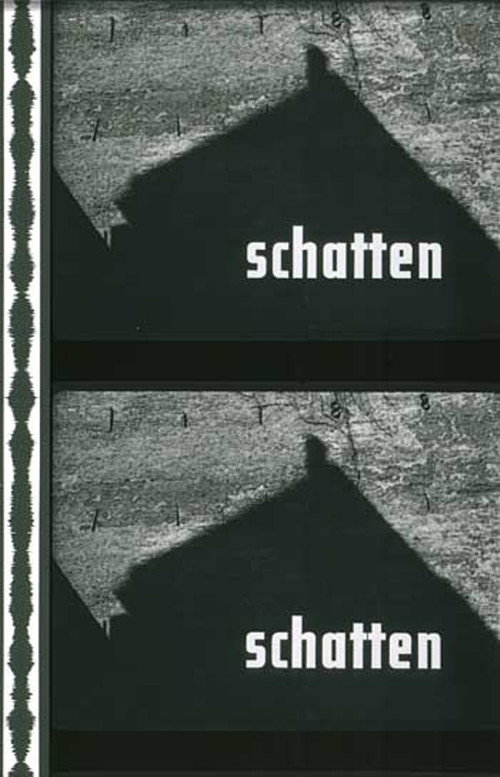
Shadows 1960
In Hansjürgen Pohland's evocative short documentary *Shadows (1960)*, the mundane transforms into something mesmerizing as the camera captures fleeting moments through a unique lens—literally.
Director: Hansjürgen Pohland
Frequently Asked Questions
What is *Shadows (1960)* about?
*Shadows (1960)* is a short documentary that turns ordinary street scenes into a visual poem by focusing solely on the silhouettes of people and objects. Directed by Hansjürgen Pohland, the film transforms the mundane into something mysterious, using light and shadow to create an abstract narrative of post-war life.
Who directed *Shadows*?
The film was directed by Hansjürgen Pohland, a German filmmaker known for his experimental and documentary-style work.
Who stars in *Shadows*?
The cast of *Shadows* (1960) is not publicly listed, as the documentary focuses on anonymous figures captured in silhouette.
Is *Shadows (1960)* worth watching?
While *Shadows* is a short film with a niche appeal, its experimental approach and striking visuals make it a fascinating watch for fans of avant-garde cinema and documentary filmmaking. The film's minimalist style rewards those who appreciate visual storytelling over conventional narratives.
How long is *Shadows*?
*Shadows (1960)* has a runtime of 10 minutes.
About Shadows (1960) — A Striking Documentary Where Light Becomes Art
In Hansjürgen Pohland's evocative short documentary *Shadows (1960)*, the mundane transforms into something mesmerizing as the camera captures fleeting moments through a unique lens—literally. The film turns everyday street scenes into a study of light and form, where passersby, bicycles, and buildings are reduced to their silhouettes, creating an abstract dance of shapes and shadows. Shot in stark black-and-white, *Shadows (1960)* strips away identity and detail, leaving only the essence of movement and presence. The result is a hypnotic, almost poetic visual essay that challenges viewers to see the world differently, if only for ten minutes.
This 10-minute documentary, steeped in the visual language of post-war European cinema, stands out for its minimalist approach and experimental spirit. Pohland's work feels like a time capsule of a bygone era, where simplicity becomes artistry. The shadows, whether of children playing or laborers at work, carry a weight and mystery that lingers long after the film ends. For fans of avant-garde cinema, *Shadows (1960)* is a must-see—a brief but unforgettable exploration of how light can redefine reality.