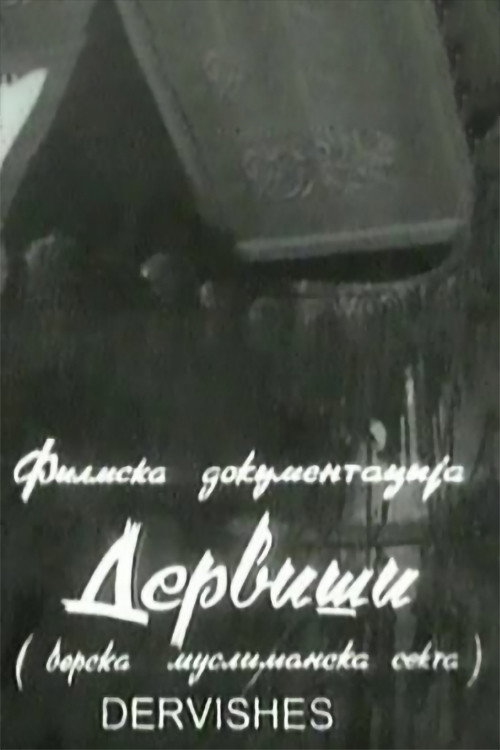
Dervishes 1955
Step into the hypnotic world of 1955's *Dervishes*, a short yet mesmerizing documentary that peels back the veil on one of Islam's most enigmatic traditions.
Director: Aco Petrovski
Frequently Asked Questions
What is Dervishes (1955) about?
*Dervishes (1955)* explores the enigmatic rituals of an ancient Muslim denomination, focusing on their practices designed to reach mystical ecstasy. The film captures the hypnotic rituals of the Dervish order, showcasing their signature whirling dances and meditative chants as pathways to spiritual transcendence.
Who directed Dervishes?
Dervishes was directed by Aco Petrovski, a filmmaker who expertly captured the essence of cultural and spiritual practices in his work.
Who stars in Dervishes?
Cast information for Dervishes is not listed, as this is a documentary focused on cultural and ritual practices rather than actors.
Is Dervishes (1955) worth watching?
While *Dervishes (1955)* is a short documentary, its unique subject matter and atmospheric presentation make it a compelling watch for those interested in spiritual traditions or mid-century ethnographic films. Its brevity is part of its charm, offering a concentrated yet immersive experience.
How long is Dervishes?
The runtime of *Dervishes (1955)* is 10 minutes.
About Dervishes (1955) — A Glimpse into Mystical Whirling and Sacred Rituals
Step into the hypnotic world of 1955's *Dervishes*, a short yet mesmerizing documentary that peels back the veil on one of Islam's most enigmatic traditions. Directed by Aco Petrovski, this 10-minute film immerses viewers in the esoteric rituals of the Dervish order, where whirling dances and meditative chants aim to dissolve the boundaries between the earthly and the divine. The film captures a haunting atmosphere, blending spiritual intensity with the stark visuals of mid-century documentary filmmaking. Through its lens, the ancient practice of mystical ecstasy unfolds in a way that is both alien and deeply human, offering a glimpse into a world where faith and movement become one.
Shot in a time when global curiosity about non-Western traditions was peaking, *Dervishes (1955)* serves as both an anthropological record and a poetic meditation on transcendence. Petrovski's direction lends a quiet authority to the proceedings, while the absence of narration allows the visuals and sounds of the ceremony to speak for themselves. For those drawn to the intersection of spirituality and art, this documentary is a fleeting but unforgettable portal into a practice that has fascinated scholars and seekers alike for centuries.