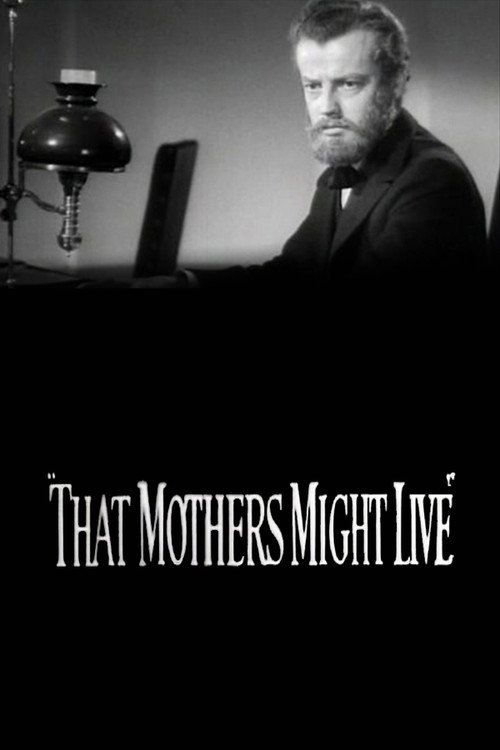
That Mothers Might Live 1938
That Mothers Might Live (1938) is a gripping short drama film that sheds light on a pivotal moment in medical history.
Director: Fred Zinnemann
Cast
Frequently Asked Questions
What is That Mothers Might Live (1938) about?
This short drama film tells the story of Hungarian physician Ignaz Semmelweis and his groundbreaking discovery of the importance of cleanliness in 19th-century maternity wards.
Who directed That Mothers Might Live?
The film was directed by the acclaimed Fred Zinnemann.
Who stars in That Mothers Might Live?
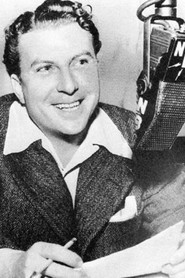
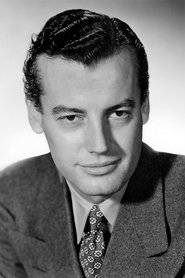
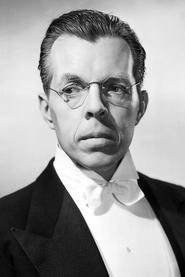
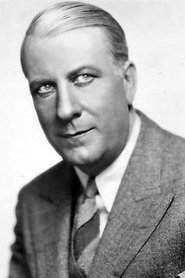
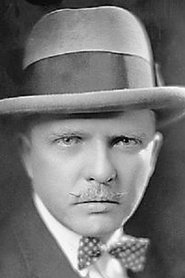
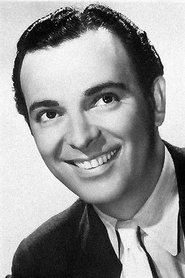
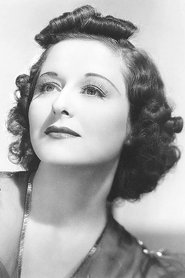
The main cast includes John Nesbitt, Shepperd Strudwick, and Rudolph Anders.
Is That Mothers Might Live (1938) worth watching?
While That Mothers Might Live (1938) may be a lesser-known film, its thought-provoking exploration of the complexities of human nature and the importance of medical innovation make it a compelling watch for anyone interested in the intersection of medicine and human drama.
How long is That Mothers Might Live?
The film has a runtime of 10 minutes.
About That Mothers Might Live (1938) — A Powerful Medical Drama That Challenges the Status Quo
That Mothers Might Live (1938) is a gripping short drama film that sheds light on a pivotal moment in medical history. Directed by the acclaimed Fred Zinnemann, this 10-minute film tells the story of Hungarian physician Ignaz Semmelweis and his groundbreaking discovery of the importance of cleanliness in 19th-century maternity wards. His tireless efforts to promote this idea, however, were met with resistance and ultimately failed to gain acceptance during his lifetime. Yet, his work laid the foundation for later scientific luminaries like Louis Pasteur to build upon. The film masterfully conveys the atmosphere of a bygone era, highlighting the struggles of a visionary who dared to challenge the status quo. As we delve into the world of That Mothers Might Live (1938), we are reminded of the enduring power of human ingenuity and the importance of perseverance in the face of adversity.
Through its poignant portrayal of Semmelweis's story, That Mothers Might Live (1938) offers a thought-provoking exploration of the complexities of human nature and the often-daunting task of introducing innovative ideas. As we watch this short drama unfold, we are left to ponder the what-ifs of history and the lasting impact of one person's unwavering commitment to their vision. With its concise yet powerful narrative, That Mothers Might Live (1938) is a must-watch for anyone interested in the intersection of medicine, science, and human drama.
With a talented cast led by John Nesbitt, Shepperd Strudwick, and Rudolph Anders, That Mothers Might Live (1938) is a masterclass in storytelling that will leave viewers reflecting on the significance of Semmelweis's discovery long after the credits roll.