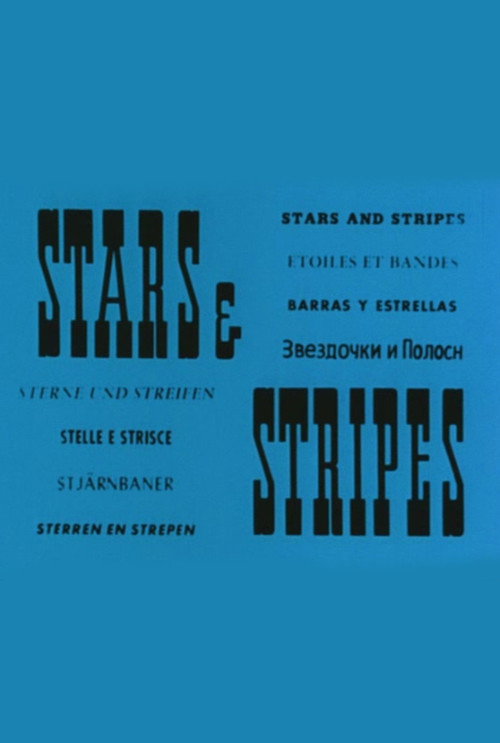
Stars and Stripes 1939
Dive into the mesmerizing world of *Stars and Stripes (1939)*, a three-minute abstract animation masterpiece crafted by the visionary Norman McLaren.
Director: Norman McLaren
Frequently Asked Questions
What is Stars and Stripes (1939) about?
*Stars and Stripes* is an abstract animated short that uses dynamic visuals and rhythmic patterns to evoke themes of unity and national pride. The film's title hints at its central motif, a celebration of stars and stripes through motion and music.
Who directed Stars and Stripes?
Stars and Stripes was directed by Norman McLaren, a pioneering animator known for his experimental and innovative techniques.
Who stars in Stars and Stripes?
Director information is not available.
Is Stars and Stripes (1939) worth watching?
While *Stars and Stripes* is a brief three-minute film, its abstract and rhythmic qualities make it a fascinating watch for fans of early animation and experimental cinema. Its historical significance and McLaren's unique vision add to its appeal, though it may not resonate with viewers seeking traditional narratives.
How long is Stars and Stripes?
Stars and Stripes has a runtime of 3 minutes.
About Stars and Stripes (1939) — Norman McLaren's Abstract Animation Classic
Dive into the mesmerizing world of *Stars and Stripes (1939)*, a three-minute abstract animation masterpiece crafted by the visionary Norman McLaren. Born in Scotland in 1914, McLaren's early fascination with Eisenstein and Pudovkin's cinematic techniques, as well as Oskar Fischinger's animations, sparked his passion for experimental filmmaking. This short film reflects his innovative spirit, blending music and animation into a visually rhythmic experience that transcends traditional storytelling. The piece radiates a playful yet profound energy, using bold visuals and dynamic motion to evoke themes of patriotism and unity through its iconic motif.
*Stars and Stripes (1939)* is a fleeting but unforgettable exploration of form and sound, where McLaren's avant-garde approach shines. Though deceptively simple, the film's abstract canvas invites viewers to interpret its patterns and rhythms in their own way, creating a personal connection with its artistic expression. Its brevity belies its impact, making it a standout in the realm of early animation and a testament to McLaren's enduring legacy in experimental cinema.