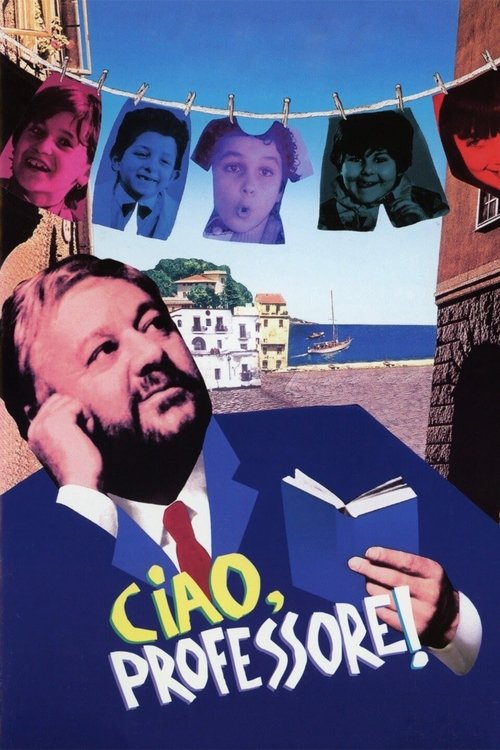
Ciao, Professore! 1992
Ciao, Professore! (1992) is a heartwarming comedy that follows Marco Tullio Sperelli, a round-faced, middle-aged bureaucrat from Northern Italy who finds himself unexpectedly reassigned to teach third grade in a struggling village near Naples.
Director: Lina Wertmüller
Cast



Frequently Asked Questions
What is Ciao, Professore! (1992) about?
Ciao, Professore! follows Marco Tullio Sperelli, a Northern Italian bureaucrat who is mistakenly sent to teach third grade in a poverty-stricken Neapolitan village. Stranded in a world far removed from his urban comforts, he must adapt to the chaotic yet charming realities of rural life and young students.
Who directed Ciao, Professore!?
Ciao, Professore! was directed by Lina Wertmüller, the acclaimed Italian filmmaker known for her sharp social satires and vibrant storytelling.
Who stars in Ciao, Professore!?
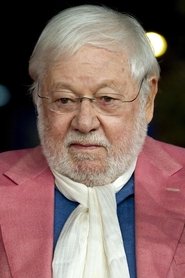
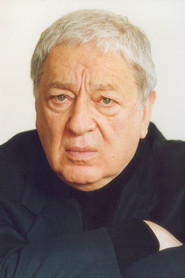
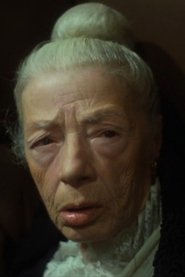
The film stars Paolo Villaggio as Marco Tullio Sperelli, alongside Isa Danieli, Paolo Bonacelli, and Gigio Morra, delivering a mix of humor and heart.
Is Ciao, Professore! (1992) worth watching?
With its blend of comedy and gentle social commentary, Ciao, Professore! is a charming gem for fans of classic Italian films. While it lacks an IMDb rating, its themes of cultural exchange and redemption make it a delightful watch for those seeking lighthearted yet meaningful cinema.
How long is Ciao, Professore!?
Ciao, Professore! has a runtime of 93 minutes.
About Ciao, Professore! (1992) — A bureaucrat's unexpected journey to a Neapolitan classroom
Ciao, Professore! (1992) is a heartwarming comedy that follows Marco Tullio Sperelli, a round-faced, middle-aged bureaucrat from Northern Italy who finds himself unexpectedly reassigned to teach third grade in a struggling village near Naples.
Directed by the legendary Lina Wertmüller and starring Paolo Villaggio in a role that blends humor with unexpected depth, the film captures the clash between urban sophistication and rural simplicity. With its sharp wit and gentle satire, Ciao, Professore! explores themes of cultural displacement, the innocence of childhood, and the universal power of education. The atmosphere is a delightful mix of laughter and nostalgia, as Sperelli navigates the chaotic yet endearing world of young students while rediscovering life's simpler joys.