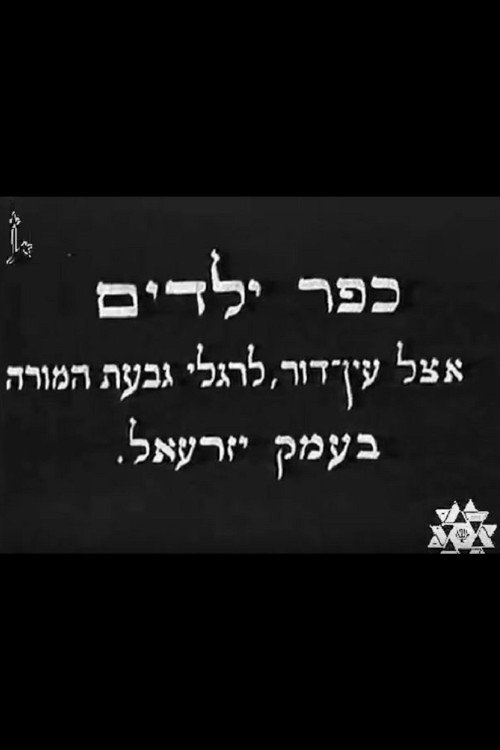
Kfar Yeladim 1930
Step back into 1930 with Kfar Yeladim (1930), a rare silent-era glimpse into a unique children's community near Afula.
Director: Joseph Gal-Ezer
Frequently Asked Questions
What is Kfar Yeladim (1930) about?
Kfar Yeladim (1930) offers a brief but vivid portrait of daily life in a children's village near Afula through the letters written by the children themselves. The film captures their routines, dreams, and the structured environment that shaped their upbringing in the early 20th century.
Who directed Kfar Yeladim?
Kfar Yeladim was directed by Joseph Gal-Ezer, a filmmaker whose work contributed to the early cinematic landscape.
Who stars in Kfar Yeladim?
Cast details for Kfar Yeladim (1930) are not publicly listed.
Is Kfar Yeladim (1930) worth watching?
As a historical artifact, Kfar Yeladim (1930) is more valuable for its cultural and educational insight than for entertainment. Its 9-minute runtime and documentary-style approach make it a niche interest, but it offers a rare look into a bygone era of communal living.
How long is Kfar Yeladim?
Kfar Yeladim (1930) has a runtime of 9 minutes.
About Kfar Yeladim (1930) — A Glimpse into Early 20th-Century Children's Village Life
Step back into 1930 with Kfar Yeladim (1930), a rare silent-era glimpse into a unique children's community near Afula. Directed by Joseph Gal-Ezer, this short 9-minute film offers a poetic snapshot of daily life in Kfar Yeladim, where children's voices take center stage through handwritten letters describing their routines. The atmosphere is tender and nostalgic, capturing the innocence and resilience of youth in a structured yet nurturing environment. Themes of community, education, and childhood curiosity shine through this historic production, making it a fascinating artifact for film historians and a charming curiosity for general audiences.
Though sparse in details, Kfar Yeladim (1930) stands out as a cultural document of its time. Its concise runtime and focus on firsthand storytelling create an intimate experience, revealing how even the smallest moments in a child's life can reflect broader societal values. For those interested in early cinema or the history of communal living in the region, this short film offers a quiet yet powerful window into the past.