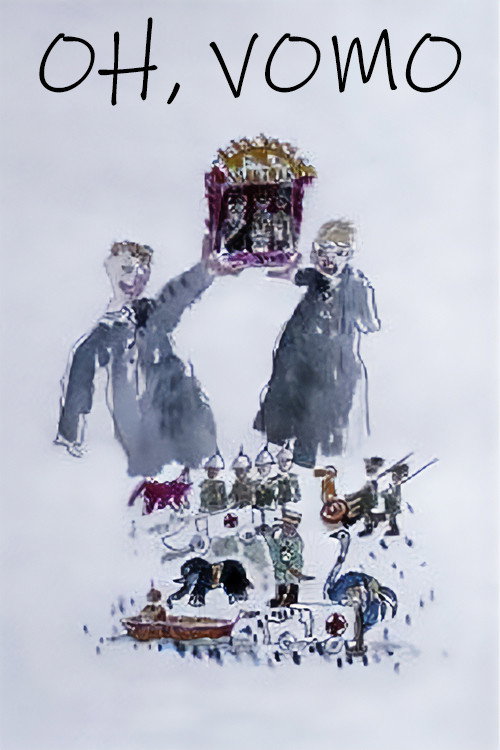
Oh! Man 2004
Part of Yervant Gianikian and Angela Ricci Lucchi's haunting WWI trilogy, *Oh! Man (2004)* strips away the propaganda to reveal raw human devastation behind the first world war.
Director: Angela Ricci Lucchi
Cast
Frequently Asked Questions
What is Oh! Man (2004) about?
*Oh! Man (2004)* peels back the layers of WWI propaganda to expose the physical and psychological toll on ordinary people. It examines how the war reshaped societies, focusing on the silent suffering of children caught in its wake, while dissecting the anatomy of violence through archival footage and artistic reconstruction.
Who directed Oh! Man?
Angela Ricci Lucchi co-directed *Oh! Man (2004)*, continuing her collaboration with Yervant Gianikian on their powerful trilogy exploring the legacy of the first world war.
Who stars in Oh! Man?
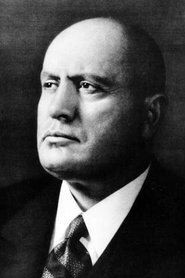
The film features archival appearances by Benito Mussolini among other historical figures, though its true stars are the unnamed victims and remnants of a fractured world.
Is Oh! Man (2004) worth watching?
For fans of provocative documentary filmmaking, *Oh! Man (2004)* offers a uniquely unsettling perspective on war's aftermath. Its unflinching visual approach and historical insight make it a compelling, if challenging, watch for those interested in the intersection of art and history.
How long is Oh! Man?
*Oh! Man (2004)* runs for 71 minutes, a concise yet impactful exploration of its themes.
About Oh! Man (2004) — A disturbing visual essay on WWI's human cost and reconstruction
Part of Yervant Gianikian and Angela Ricci Lucchi's haunting WWI trilogy, *Oh! Man (2004)* strips away the propaganda to reveal raw human devastation behind the first world war. Using archival footage and meticulous deconstruction, the film anatomizes the ravaged body as a symbol of totalitarian excess, tracing how violence scars not just nations but the smallest lives—children caught in the fallout between 1919 and 1921. The directors transform found images into a visceral meditation on reconstruction and ruin, turning silent relics into a visual indictment of man's capacity for destruction.
The atmosphere is stark and unsettling, blending clinical observation with emotional weight as the camera lingers on the physical and psychological aftermath. Through close-ups and slow reconstructions, *Oh! Man (2004)* challenges viewers to confront the lingering echoes of conflict, making visible what history often obscures.