Enraptured 1961
In the refined world of 1960s Japanese drama, *Enraptured* (1961) weaves a delicate tale of artistic ambition and unexpected connections. Directed by Hideo Ōba, this atmospheric film centers on a gifted dancer who seeks a libretto for a Nō play from her professor.
Director: Hideo Ōba
Cast

Frequently Asked Questions
What is Enraptured (1961) about?
The film follows a passionate dancer who requests a libretto for a Nō play from her professor. He introduces her to a student of classical literature, hoping the two will find connection through shared artistic pursuits.
Who directed Enraptured?
Hideo Ōba directed *Enraptured*, bringing a nuanced touch to this Japanese drama.
Who stars in Enraptured?
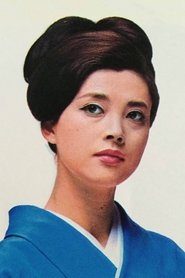
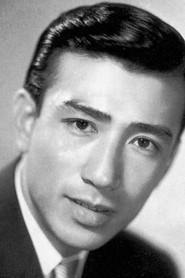
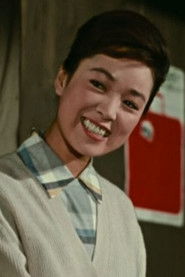
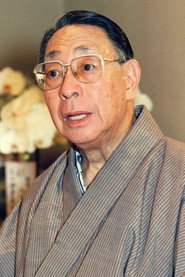
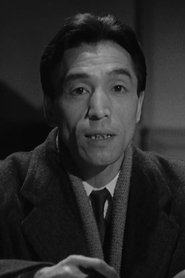
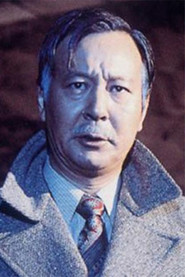
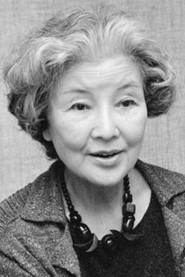
The film features Mariko Okada, Keiji Sada, Shima Iwashita, Hiroko Sugita, and Kakuko Chino in pivotal roles.
Is Enraptured (1961) worth watching?
For fans of introspective dramas with cultural depth, *Enraptured* offers a compelling, if understated, experience. Its focus on tradition and human connection makes it a rewarding watch for niche audiences.
How long is Enraptured?
The runtime of *Enraptured* is 99 minutes.
About Enraptured (1961) — A Japanese Drama of Art, Love, and Traditional Theater
In the refined world of 1960s Japanese drama, *Enraptured* (1961) weaves a delicate tale of artistic ambition and unexpected connections. Directed by Hideo Ōba, this atmospheric film centers on a gifted dancer who seeks a libretto for a Nō play from her professor. Her search leads her to a student of classical literature—equally versed in traditional theater—with hopes that their bond might blossom into something deeper. Set against a backdrop of cultural elegance and quiet tension, the story explores themes of creativity, destiny, and the subtle interplay between art and life.
With standout performances from Mariko Okada and Keiji Sada, *Enraptured* unfolds as a contemplative character study, where relationships unfold in measured, poignant strokes. The film's restrained yet evocative tone lingers long after the credits roll, making it a hidden gem for fans of slow-burn dramas that prioritize mood over spectacle.