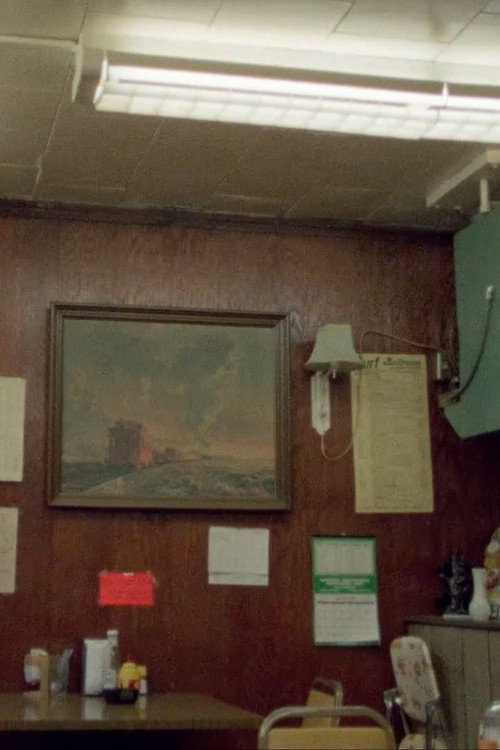
You Can Drive the Big Rigs 1989
Leighton Pierce's *You Can Drive the Big Rigs* (1989) takes viewers on a quiet journey through the heart of the rural Midwest, where small-town diners serve as more than just places to eat—they're the beating pulse of a tightly knit, often insular community.
Director: Leighton Pierce
Frequently Asked Questions
What is You Can Drive the Big Rigs (1989) about?
This 1989 documentary by Leighton Pierce explores the role of small-town diners in rural Midwest culture, where these cafes act as social hubs for a community bound by tradition and unspoken expectations. More than just eateries, they reveal the joys and constraints of life in a close-knit, isolated setting.
Who directed You Can Drive the Big Rigs?
The film was directed by Leighton Pierce, an artist known for his evocative visual storytelling in documentary formats.
Who stars in You Can Drive the Big Rigs?
Cast details for this 1989 documentary are not publicly listed.
Is You Can Drive the Big Rigs (1989) worth watching?
As a short, meditative documentary, *You Can Drive the Big Rigs* offers a unique snapshot of rural American life, ideal for fans of atmospheric, slice-of-life films. While it may not appeal to those seeking high-energy narratives, its quiet charm and authentic portrayal make it a worthwhile watch for genre enthusiasts.
How long is You Can Drive the Big Rigs?
The film runs for 15 minutes, offering a concise but immersive experience.
About You Can Drive the Big Rigs (1989) — Leighton Pierce's Quiet Portrait of Rural Midwest Cafes
Leighton Pierce's *You Can Drive the Big Rigs* (1989) takes viewers on a quiet journey through the heart of the rural Midwest, where small-town diners serve as more than just places to eat—they're the beating pulse of a tightly knit, often insular community. This impressionistic documentary lingers on the diners' role as gathering spots where locals swap stories, deal with hardships, and reinforce the unspoken rules of rural life. Through gentle visuals and a reflective tone, Pierce captures the warmth and limitations of this subculture, revealing how these cafes both nourish and constrain the people who rely on them.
Stripped of pretension, the film immerses you in the slow rhythm of a way of life that feels simultaneously welcoming and closed-off. The 15-minute runtime keeps the experience intimate, like peeking through a diner window at a world that moves at its own pace, where the biggest dreams might be measured in miles driven and the smallest gestures hold deep meaning.