De Castigo 2010
A hauntingly brief drama from 2010, *De Castigo* directed by Pierre-Marie Jézéquel plunges viewers into the fragile mind of Samuel, a man who, decades after being imprisoned in a basement by his father, remains psychologically trapped in a state of eternal punishment.
Director: Pierre-Marie Jézéquel
Cast

Frequently Asked Questions
What is De Castigo (2010) about?
The film follows Samuel, who, decades after being locked in a basement by his father, still believes he's serving a punishment. It's a surreal meditation on trauma, memory, and the inescapable past.
Who directed De Castigo?
Pierre-Marie Jézéquel directed the 2010 short film, infusing it with a surreal, dreamlike atmosphere.
Who stars in De Castigo?
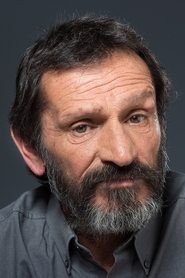
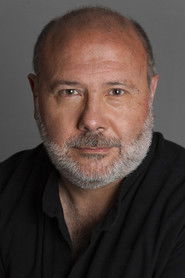
The cast includes Ana Espanadeira, Angela Luyet, Luís Mouta, Valdemar Santos, and André Santos in key roles.
Is De Castigo (2010) worth watching?
While brief and unrated on IMDb, *De Castigo* offers a compelling, atmospheric exploration of psychological trauma. Its short runtime makes it ideal for fans of intense, thought-provoking dramas, though it may not appeal to those seeking light entertainment.
How long is De Castigo?
De Castigo runs for 15 minutes.
About De Castigo (2010) — A Dark Psychological Drama on Parental Trauma and Time
A hauntingly brief drama from 2010, *De Castigo* directed by Pierre-Marie Jézéquel plunges viewers into the fragile mind of Samuel, a man who, decades after being imprisoned in a basement by his father, remains psychologically trapped in a state of eternal punishment. This 15-minute Portuguese fantasy-drama weaves a somber tapestry of isolation and unresolved trauma, where boundaries between past and present blur into a single, suffocating moment. With its stark visuals and restrained storytelling, the film explores the weight of familial abuse and the inescapable echoes of childhood trauma.
Starring Ana Espanadeira, Angela Luyet, Luís Mouta, and a supporting cast including Valdemar Santos and André Santos, *De Castigo (2010)* crafts a quietly devastating portrait of psychological imprisonment. Jézéquel's direction leans into the surreal, infusing the narrative with a dreamlike quality that mirrors Samuel's fractured perception of time. Though brief, the film lingers, challenging audiences to reflect on the long shadows cast by parental cruelty and the illusion of punishment that never truly ends.