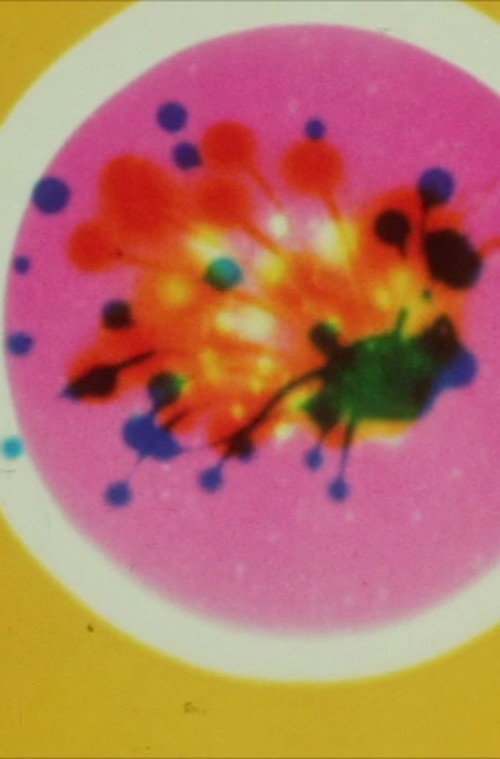
Color Rhapsodie 1948
In 1948, pioneering animator Mary Ellen Bute crafted *Color Rhapsodie*, a mesmerizing six-minute abstract short that transforms music and color into pure cinematic poetry.
Director: Mary Ellen Bute
Frequently Asked Questions
What is Color Rhapsodie (1948) about?
Mary Ellen Bute's *Color Rhapsodie* is a non-narrative animation that pairs shifting colors and shapes with classical music, creating a sensory experience that transcends traditional storytelling. The film uses abstract visuals to evoke emotions, making it a unique blend of art and animation.
Who directed Color Rhapsodie?
Mary Ellen Bute, a trailblazing animator and early pioneer of visual music films, directed *Color Rhapsodie*.
Who stars in Color Rhapsodie?
Cast details for *Color Rhapsodie* are not listed, as the film focuses on abstract visuals rather than performers.
Is Color Rhapsodie (1948) worth watching?
*Color Rhapsodie* may not appeal to all audiences due to its abstract nature, but it offers a fascinating glimpse into early experimental animation. Fans of visual music or Mary Ellen Bute's work will find it a rewarding six-minute experience worth exploring on multiple devices.
How long is Color Rhapsodie?
Color Rhapsodie has a runtime of 6 minutes.
About Color Rhapsodie (1948) — Mary Ellen Bute's 6-Minute Abstract Animation Masterpiece
In 1948, pioneering animator Mary Ellen Bute crafted *Color Rhapsodie*, a mesmerizing six-minute abstract short that transforms music and color into pure cinematic poetry. This experimental animation blurs the line between visual art and rhythm, using shifting hues and geometric forms to match the tempo of classical compositions. The film's dreamlike atmosphere invites viewers into a kaleidoscopic world where sound and vision merge, evoking emotions without a single word. Bute's innovative approach predated modern visual music trends, offering a hypnotic experience that feels both nostalgic and timeless.
*Color Rhapsodie* stands as a testament to animation's potential as a medium for artistic expression, showcasing Bute's mastery of color theory and movement. The film's abstract nature makes it a fascinating study for students of animation and film history, while its accessibility appeals to casual viewers seeking a brief but dazzling visual escape. Though short, its impact lingers like a fleeting melody, leaving a lasting impression of wonder and creativity.