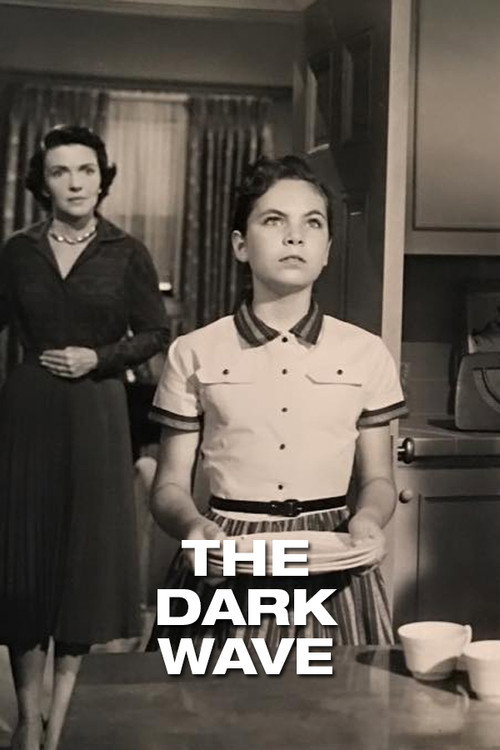
The Dark Wave 1956
Directed by Jean Negulesco, *The Dark Wave (1956)* is a poignant documentary short that sheds light on a deeply personal struggle.
Director: Jean Negulesco
Cast

Frequently Asked Questions
What is The Dark Wave (1956) about?
The film centers on a young girl whose life takes an unexpected turn when she develops severe epilepsy. It explores her emotional and physical journey, as well as the reactions of her family and community.
Who directed The Dark Wave?
Jean Negulesco directed *The Dark Wave*, guiding the documentary with a blend of clinical observation and humanistic storytelling.
Who stars in The Dark Wave?
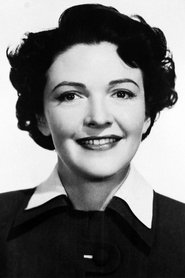
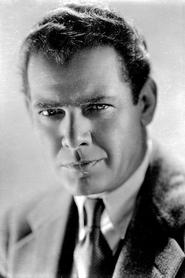
The documentary features real-life accounts and interviews with Nancy Reagan, Charles Bickford, and Cornell Borchers among its key contributors.
Is The Dark Wave (1956) worth watching?
While unrated on IMDb, *The Dark Wave* offers a rare and compassionate look at epilepsy in the 1950s. Its concise runtime and historical perspective make it a niche but valuable watch for documentary enthusiasts and those interested in medical history.
How long is The Dark Wave?
The runtime of *The Dark Wave* is 23 minutes.
About The Dark Wave (1956) — A 1950s Documentary on Epilepsy and Resilience
Directed by Jean Negulesco, *The Dark Wave (1956)* is a poignant documentary short that sheds light on a deeply personal struggle. It follows the life of a seemingly ordinary young girl whose world is upended by the sudden onset of severe epilepsy, a condition that reshapes her daily existence and challenges those around her. With quiet intensity, the film captures the emotional toll and resilience required to navigate such a diagnosis, blending clinical observation with humanistic storytelling. The atmosphere is one of quiet urgency, framed by Negulesco's sensitive direction, which grounds the narrative in both medical realism and intimate drama.
Produced in the mid-20th century, *The Dark Wave* reflects the era's growing awareness of neurological health while highlighting the stigma and uncertainty faced by patients and families. The documentary's brevity—just 23 minutes—doesn't diminish its impact; instead, it sharpens the focus on the girl's journey, making it a compelling watch for those interested in medical history, social perspectives on disability, or the power of documentary filmmaking to inform and evoke empathy.