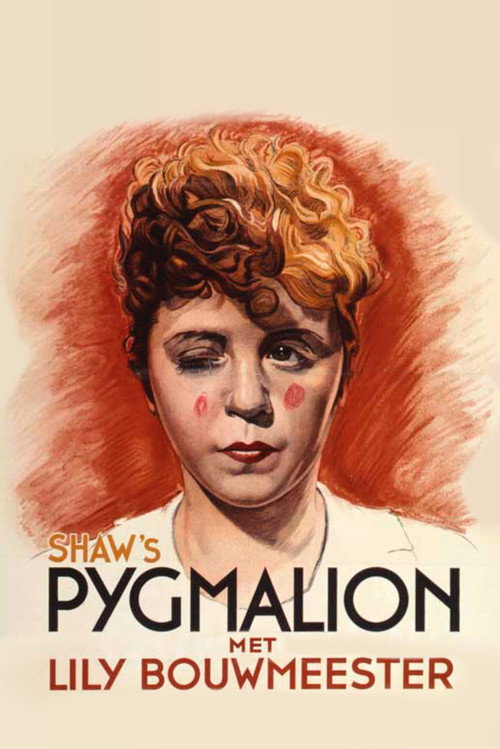
Pygmalion 1937
Ludwig Berger's Pygmalion (1937) breathes fresh life into George Bernard Shaw's classic tale of transformation and social climbing.
Director: Ludwig Berger
Cast





Frequently Asked Questions
What is Pygmalion (1937) about?
Pygmalion (1937) follows Professor Henry Higgins as he wagers to transform Eliza Doolittle, a Cockney flower seller, into a refined lady in six months. The film delves into class struggles, identity, and the unexpected bonds that develop between Higgins and Eliza during her rigorous training.
Who directed Pygmalion?
Pygmalion (1937) was directed by Ludwig Berger, a filmmaker known for his elegant and character-driven storytelling.
Who stars in Pygmalion?
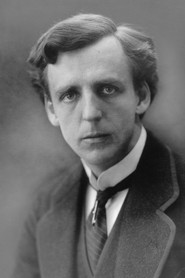
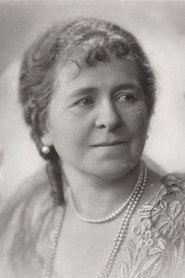
The film features Lily Bouwmeester as Eliza Doolittle, Johan De Meester as Professor Henry Higgins, and Eduard Verkade in a key supporting role.
Is Pygmalion (1937) worth watching?
Pygmalion (1937) is a delightful comedy of manners with themes of class and transformation that feel as relevant today as they were in the 1930s. Its charming performances and Berger's direction make it a worthwhile watch for fans of classic films and social satire.
How long is Pygmalion?
Pygmalion (1937) has a runtime of 95 minutes.
About Pygmalion (1937) — A Charming 1930s Comedy of Manners and Transformation
Ludwig Berger's Pygmalion (1937) breathes fresh life into George Bernard Shaw's classic tale of transformation and social climbing. Set in 1930s London, the film follows the sharp-witted linguistics professor Henry Higgins as he wagers to transform Eliza Doolittle, a spirited Cockney flower seller, into a refined lady within six months. With a blend of wit and warmth, the story explores the boundaries of class, the power of speech, and the unexpected bonds that form between mentor and protégé. Berger's direction infuses the narrative with charm and sophistication, capturing the era's elegance while grounding the drama in relatable human struggles.
At its heart, Pygmalion (1937) is a comedy of manners that challenges perceptions of identity and worth. As Eliza navigates Higgins' rigorous training and the pressures of high society, both she and the professor confront their own flaws and growth. The film's themes of self-discovery and societal expectations resonate as much today as they did in the 1930s, making it a timeless exploration of transformation within the confines of tradition.