
Family Life 1971
Krzysztof Zanussi's *Family Life (1971)* plunges viewers into the claustrophobic world of Wit, a young industrial designer who reluctantly returns to his childhood home after six years to care for his gravely ill father.
Director: Krzysztof Zanussi
Cast





Frequently Asked Questions
What is Family Life (1971) about?
The film follows Wit, a young industrial designer who returns home to care for his gravely ill father, only to be ensnared in the web of his family's idiosyncrasies and unresolved tensions. Krzysztof Zanussi's drama delves into themes of obligation, resentment, and the inescapable ties of family.
Who directed Family Life?
Krzysztof Zanussi, a Polish filmmaker known for his philosophical and socially conscious dramas, directed *Family Life*.
Who stars in Family Life?
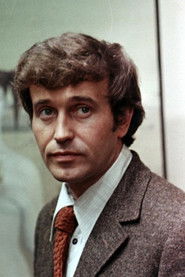
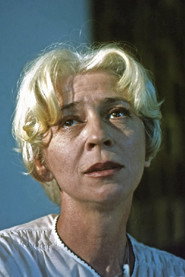
The film features Daniel Olbrychski as Wit, alongside Jan Nowicki, Maja Komorowska, Halina Mikołajska, and Jan Kreczmar in pivotal roles.
Is Family Life (1971) worth watching?
If you appreciate slow-burn dramas with psychological depth and sharp character studies, *Family Life* is worth your time. Zanussi's restrained yet impactful direction makes it a standout in 1970s cinema, though its bleak tone may not appeal to all viewers.
How long is Family Life?
The runtime of *Family Life* is 88 minutes.
About Family Life (1971) — A Tense Drama of Duty and Dysfunction
Krzysztof Zanussi's *Family Life (1971)* plunges viewers into the claustrophobic world of Wit, a young industrial designer who reluctantly returns to his childhood home after six years to care for his gravely ill father. The once-familiar house now feels like a labyrinth of unresolved tensions, where Wit is forced to confront the eccentricities and dysfunctions of his father, sister, and aunt. Zanussi masterfully crafts a drama that blends psychological depth with a stark, unflinching gaze at family dynamics, making *Family Life* a compelling exploration of duty, resentment, and the weight of legacy.
Set against the backdrop of a Poland grappling with societal shifts, the film's moody atmosphere and sharp character studies invite audiences to reflect on the fractures beneath seemingly ordinary lives. With a runtime that keeps the pacing taut, Zanussi's direction ensures every interaction crackles with underlying conflict, leaving viewers to ponder the unspoken burdens that shape family bonds.