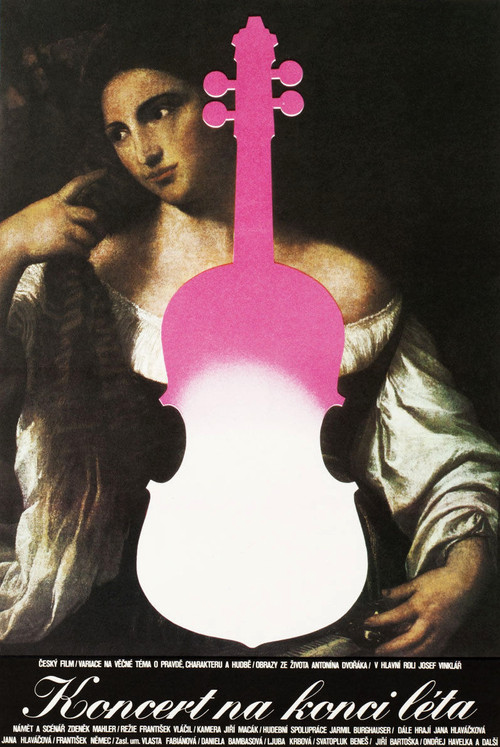
Concert at the End of Summer 1980
František Vláčil's evocative 1980 docudrama *Concert at the End of Summer* immerses viewers in the final weeks of legendary Czech composer Antonín Dvořák's life, blending haunting musical motifs with intimate human drama.
Director: František Vláčil
Cast
Frequently Asked Questions
What is Concert at the End of Summer (1980) about?
This gentle yet profound drama follows composer Antonín Dvořák as he abruptly leaves a London concert, retreating to the Czech countryside. Through vivid flashbacks, the film explores his relationships with his wife Anna and her sister Josefina—two women who inspired his music but left him grappling with inner conflict. As the train carries him home, his compositions echo in the background, intertwining past and present.
Who directed Concert at the End of Summer?
František Vláčil, renowned for his visually poetic style, directed *Concert at the End of Summer*. His films often blend historical depth with intimate human drama, a signature evident in this tender yet complex portrait.
Who stars in Concert at the End of Summer?
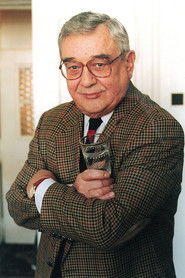
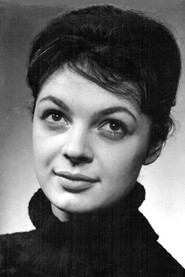
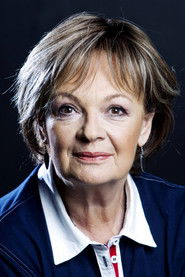
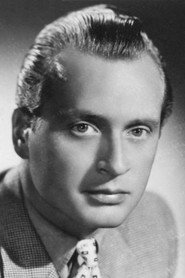
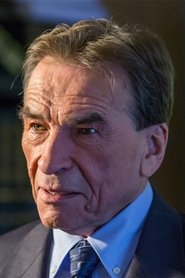
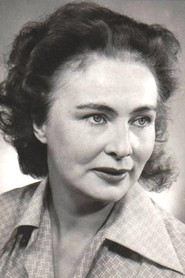
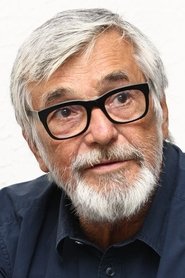
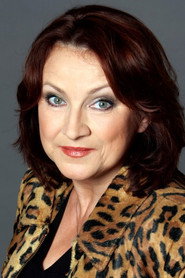
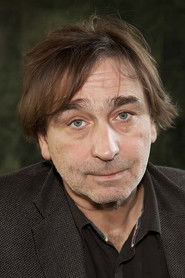
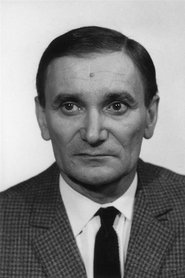
The film stars Josef Vinklář as Antonín Dvořák, with Jana Hlaváčková in dual roles as Anna and Josefina, alongside Svatopluk Beneš, František Němec, and Vlasta Fabianová.
Is Concert at the End of Summer (1980) worth watching?
*Concert at the End of Summer* may not be widely known outside Central Europe, but its understated elegance and Dvořák's timeless music make it a rewarding experience for fans of historical dramas and classical music. While not a mainstream spectacle, its quiet intensity lingers long after the credits roll.
How long is Concert at the End of Summer?
The film runs for 103 minutes, a concise yet rich runtime that balances historical detail with emotional depth.
About Concert at the End of Summer (1980) — A poetic docudrama on Dvořák's final creative journey
František Vláčil's evocative 1980 docudrama *Concert at the End of Summer* immerses viewers in the final weeks of legendary Czech composer Antonín Dvořák's life, blending haunting musical motifs with intimate human drama. As Dvořák abruptly abandons a London performance and journeys home by train, the film unfolds through fragmented flashbacks that illuminate the complex relationships at the heart of his creative genius. At the center stands his wife Anna and her sister Josefina, both muses who fueled his compositions while leaving him deeply unsettled. The soundtrack pulses with Dvořák's own works, weaving a melancholic tapestry that mirrors his restless soul and the historical pressures of a composer caught between tradition and innovation.
With a runtime of just over 100 minutes, the film balances historical reverence with psychological depth, capturing the turbulence behind artistic triumph. Vláčil's direction lends a quiet intensity to the narrative, turning a simple train ride into a meditation on memory, duty, and the lonely corridors of creative brilliance. For fans of understated historical dramas and classical music enthusiasts, it offers a rare glimpse into the man behind the masterpieces—where inspiration and turmoil dance in equal measure.