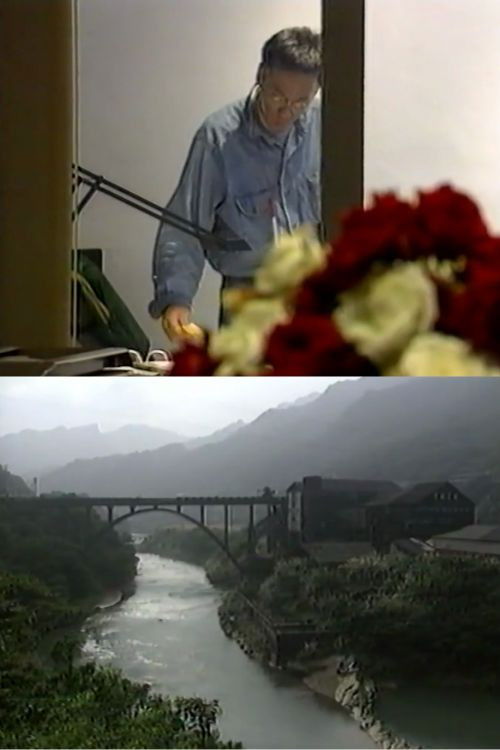
I Wish I Could Be Japanese 1992
Hirokazu Kore-eda's deeply moving documentary *I Wish I Could Be Japanese* (1992) shines a light on the quiet struggles of Japanese-Koreans, citizens born in Japan but denied nationality due to historical injustices.
Director: Hirokazu Kore-eda
Frequently Asked Questions
What is I Wish I Could Be Japanese (1992) about?
This intimate documentary follows a Korean man displaced by Japan's colonial past, forced to conceal his heritage to survive in post-war Japan. Through his story, the film examines systemic exclusion, the scars of occupation, and the complex negotiation of identity.
Who directed I Wish I Could Be Japanese?
Hirokazu Kore-eda, the acclaimed Japanese filmmaker known for his humanistic storytelling, directed *I Wish I Could Be Japanese*.
Who stars in I Wish I Could Be Japanese?
The documentary features personal testimonies and archival interviews, centering on the experiences of Japanese-Koreans, including the main subject whose story anchors the film.
Is I Wish I Could Be Japanese (1992) worth watching?
As a thoughtful documentary with strong thematic depth, it's a compelling watch for fans of social history and quiet character studies. While not widely rated, its emotional resonance and Kore-eda's distinctive touch make it rewarding for viewers seeking thought-provoking cinema.
How long is I Wish I Could Be Japanese?
The runtime is 47 minutes, making it a concise yet impactful viewing experience.
About I Wish I Could Be Japanese (1992) — Kore-eda's Powerful Exploration of Identity and Belonging
Hirokazu Kore-eda's deeply moving documentary *I Wish I Could Be Japanese* (1992) shines a light on the quiet struggles of Japanese-Koreans, citizens born in Japan but denied nationality due to historical injustices. Through the lens of a personal narrative, Kore-eda explores the painful tension between assimilation and identity—what it means to belong in a country that refuses to fully acknowledge you.
The film follows a Korean man whose life becomes a microcosm of displacement: during Japan's occupation of Korea, he's conscripted to fight in the Philippines, only to mask his heritage upon returning to escape brutal discrimination. Kore-eda's sensitive direction captures the emotional weight of this choice, blending archival intimacy with poignant interviews to reveal broader truths about citizenship, memory, and survival in post-colonial Japan.