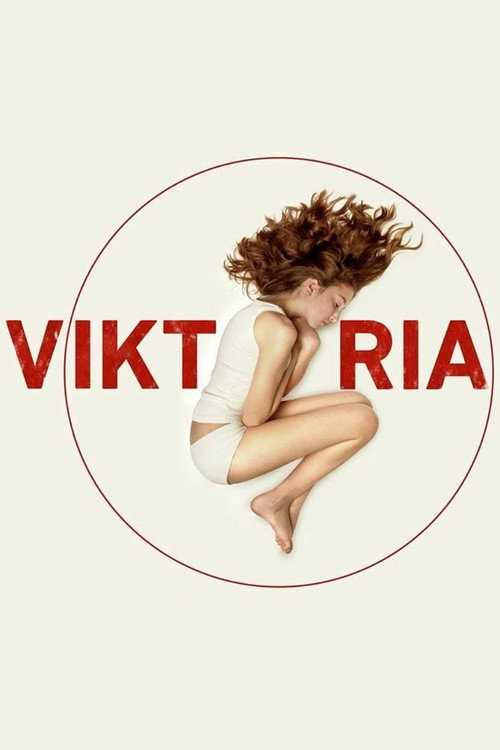
Viktoria 2014
"- Let's think of a name for the baby... - What baby?"
Director Maya Vitkova's bold debut drama *Viktoria (2014)* blends dark humor with tender family dynamics as it unfolds in the shifting sands of late-20th-century Bulgaria.
Director: Maya Vitkova
Cast
Frequently Asked Questions
What is Viktoria (2014) about?
In late-1970s Bulgaria, a mother's desperate bid to avoid motherhood collides with fate when her child, Viktoria, is born without a belly button and hailed as the nation's "Baby of the Decade." A decade later, as communism crumbles, the mother and daughter must confront their fractured bond amidst the chaos of a new era.
Who directed Viktoria?
Maya Vitkova helmed *Viktoria*, marking her debut as a director with a film that blends political satire with intimate family drama.
Who stars in Viktoria?
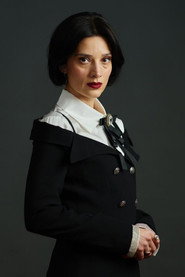
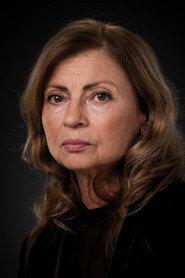
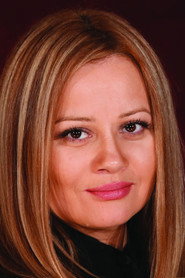
Irmena Chichikova leads the cast as Boryana, with standout performances from Daria Vitkova as Viktoria, Kalina Vitkova in a supporting role, and Mariana Krumova, Dimo Dimov, and Georgi Spasov rounding out the ensemble.
Is Viktoria (2014) worth watching?
A daring and original drama, *Viktoria* stands out for its fresh take on political and generational change. Though it lacks an IMDb rating, its thoughtful themes and strong performances make it a compelling watch for fans of character-driven family dramas.
How long is Viktoria?
The film runs for 155 minutes.
🎥 Trailer
About Viktoria (2014) — A Unique Family Drama Set in Communist Bulgaria
Director Maya Vitkova's bold debut drama *Viktoria (2014)* blends dark humor with tender family dynamics as it unfolds in the shifting sands of late-20th-century Bulgaria. The film centers on Boryana, a fiercely ambitious mother in communist Bulgaria who desperately avoids motherhood to chase the allure of the West—until her daughter Viktoria arrives in 1979 without a belly button, instantly declared the decade's symbolic "Baby of the Decade." For nine years, Viktoria is pampered by the state's propaganda machine, but the collapse of communism strips away the illusions she's built upon. Can the political upheaval and harsh realities of the new era finally bridge the gulf between a mother who never wanted her and a child who embodies her deepest regrets? Set against a backdrop of crumbling regimes and personal awakening, *Viktoria (2014)* weaves themes of identity, sacrifice, and the ironies of progress into a visually rich, emotionally layered narrative.
With its striking premise and nuanced performances, the film transforms a singular premise into a metaphor for the human cost of ideological dreams. The title character's journey—from political curiosity to ordinary teenager—mirrors Bulgaria's own reckoning with its past, all while a mother learns that love, too, can be born from unexpected beginnings.