Experimental Animation 1933
Imagine a jazz-age puppet pirouetting to a 1931 Red Nichols swing tune within a three-minute avant-garde masterpiece—this is Experimental Animation (1933) by visionary director Len Lye.
Director: Len Lye
Frequently Asked Questions
What is Experimental Animation (1933) about?
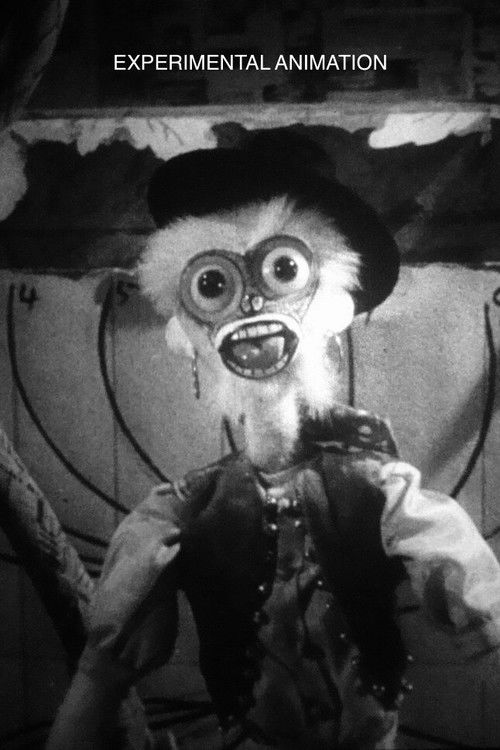
Experimental Animation (1933) is a playful, short stop-motion film featuring a tiny mechanical monkey performing to the infectiously swinging tune 'Peanut Vendor.' The puppet sings and sways through meticulously choreographed moves, using dozens of interchangeable mouths to mimic vocals and a dancer wife's guidance to perfect the rhythm.
Who directed Experimental Animation?
Experimental Animation was directed by Len Lye, a pioneering figure in experimental animation whose innovative techniques would later influence generations of filmmakers.
Who stars in Experimental Animation?
The film's main 'star' is a two-foot-tall, bolt-jointed monkey puppet built by Len Lye, while Jane Lye provided the on-screen dancing reference that shaped its rhythmic movements.
Is Experimental Animation (1933) worth watching?
As a 3-minute jazz-infused puppet dance, it may feel niche, but its historical importance and playful inventiveness make it a fascinating watch for animation and jazz enthusiasts. Its uniqueness and brevity ensure it's more curiosity than masterpiece, but a worthwhile stop for retro animation fans.
How long is Experimental Animation?
Experimental Animation (1933) runs for approximately 3 minutes.
Experimental Animation (1933): The Wild Jazz-Puppet Creation You've Never Seen — Full Movie Info
Imagine a jazz-age puppet pirouetting to a 1931 Red Nichols swing tune within a three-minute avant-garde masterpiece—this is Experimental Animation (1933) by visionary director Len Lye. Crafted with borrowed gear and scrappy ingenuity, Lye's two-minute short features a two-foot-tall, bolt-jointed monkey that sings and sways through a battery of interchangeable mouths. To nail the rhythm, Lye filmed his wife, Jane—a champion rumba dancer—ensuring every sway matched the infectious beat. The result blends stop-motion choreography, early animation experiments, and Afro-Cuban rhythms into a playful yet pioneering micro-film. Its kinetic energy and rhythmic storytelling capture the exuberant spirit of 1930s jazz, making it a quirky time capsule of creative risk-taking.
Experimental Animation remains a landmark in early animation history, showcasing how music and movement could fuse in ways that predated later techniques. Lye's handmade puppet, replete with expressive mouths and movable limbs, dances through a short but unforgettable burst of kinetic joy. The film's breezy three-minute runtime belies its ambition: it's less a narrative and more a rhythmic experiment, where visual motion and syncopated sound collide in a burst of black-and-white whimsy. For fans of retro animation, experimental cinema, and jazz-infused art, it's a tiny gem with outsized influence.