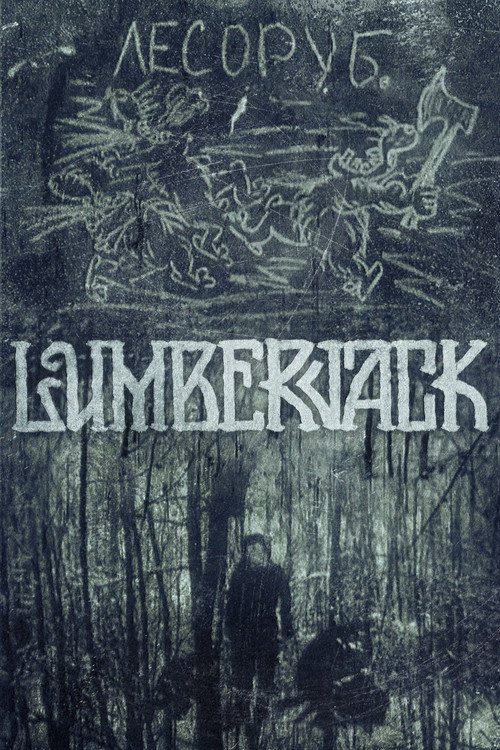
Lumberjack 1985
In the frozen expanse of the Soviet Union, a raw and relentless short film explodes onto the screen with unfiltered energy.
Director: Evgeny Yufit
Frequently Asked Questions
What is Lumberjack (1985) about?
This 11-minute short plunges into the absurd and violent undercurrents of Soviet life, using dark humor and chaotic energy to critique rigid artistic norms. Set in a snowy wilderness, it follows a figure whose actions blur the line between farce and menace, all while evading the constraints of socialist realism.
Who directed Lumberjack?
Director Evgeny Yufit was a key figure in the Soviet underground art scene, known for pushing boundaries.
Who stars in Lumberjack?
Cast details for *Lumberjack* (1985) are not publicly listed.
Is Lumberjack (1985) worth watching?
With its cult status and historical importance, *Lumberjack* offers a fascinating glimpse into Necrorealist rebellion. While its runtime is brief, its impact lingers, making it a must-see for fans of avant-garde cinema and Soviet-era dissent.
How long is Lumberjack?
The runtime is 11 minutes.
About Lumberjack (1985) — Why This Underground Soviet Short Film Still Packs a Punch
In the frozen expanse of the Soviet Union, a raw and relentless short film explodes onto the screen with unfiltered energy. Evgeny Yufit's *Lumberjack* (1985), a radical creation by the Necrorealist art collective, strips away the constraints of socialist realism to deliver a visceral, darkly comic assault on convention. Set against a snowy backdrop, the film blends slapstick chaos with grim undertones, its frenetic pace and rebellious spirit making it a cult artifact of underground cinema. Here, violence and absurdity collide in a brief but unforgettable burst of cinematic defiance.
Paying homage to the Necrorealists' mission to shatter artistic dogma, *Lumberjack* transforms its 11-minute runtime into a manifesto of dissent. With a director at the helm who thrived on provocation, the film's anarchic tone and offbeat humor offer a stark contrast to the era's sanctioned aesthetics. Whether you're drawn to its historical significance or its sheer audacity, *Lumberjack* (1985) stands as a testament to the power of rebellion in art.