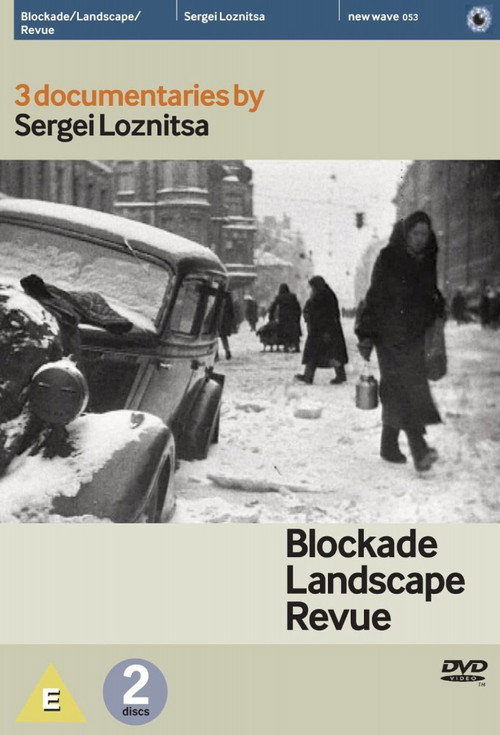
Landscape 2003
In Sergei Loznitsa's meditative documentary Landscape (2003), a snowy winter day at a rural bus stop becomes a window into the unspoken rhythms of village life.
Director: Sergei Loznitsa
Frequently Asked Questions
What is Landscape (2003) about?
Landscape follows passengers waiting at a snowy bus stop in a remote village, their casual conversations painting a portrait of life in transition. The film captures the atmosphere of a community on the edge of change, where every word and silence carries weight.
Who directed Landscape?
Sergei Loznitsa, the acclaimed Ukrainian-Russian filmmaker known for his observational documentaries, directed Landscape (2003).
Who stars in Landscape?
The cast consists of anonymous villagers and travelers whose real-life conversations form the backbone of the film.
Is Landscape (2003) worth watching?
As a 60-minute black-and-white documentary, Landscape offers a rare glimpse into the texture of rural life through minimalist storytelling. While it won't appeal to those seeking plot-driven narratives, fans of atmospheric cinema and Loznitsa's work will find it deeply resonant.
How long is Landscape?
Landscape runs for 60 minutes.
About Landscape (2003) — A Winter's Tale of Rural Life Captured on Film
In Sergei Loznitsa's meditative documentary Landscape (2003), a snowy winter day at a rural bus stop becomes a window into the unspoken rhythms of village life. The camera lingers on weathered faces, eavesdropping on fragmented conversations that reveal the quiet struggles, fleeting hopes, and unyielding routines of its waiting passengers. Through Loznitsa's patient, unobtrusive lens, these strangers become silhouettes of collective humanity, their shared silence echoing louder than words. The film transforms an everyday scene into a poetic meditation on time, isolation, and the invisible threads that bind people to their surroundings.
Landscape (2003) immerses viewers in a world where words are secondary to presence, and every glance, sigh, or idle gesture speaks volumes. The director's observational style strips away drama, leaving only the raw textures of rural existence—icy winds, crumbling infrastructure, and the stubborn dignity of those left behind by progress. This is more than a snapshot of a moment; it's an invitation to listen to the stories untold in a single, frozen frame.