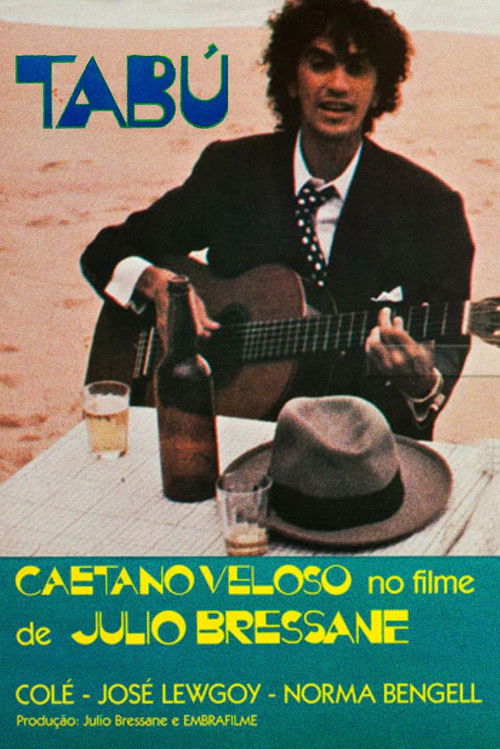
Tabu 1983
"Caetano Veloso is Lamartine Babo in Júlio Bressane's New picture"
In Júlio Bressane's playful 1983 comedy-musical *Tabu*, the vibrant streets of 1930s Rio de Janeiro become the unlikely stage for a fictional rendezvous between two iconic Brazilian creatives.
Director: Júlio Bressane
Cast

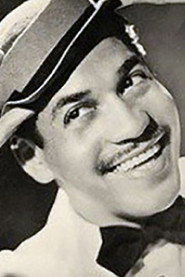
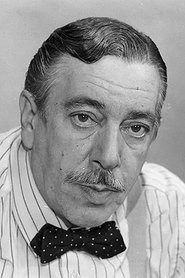



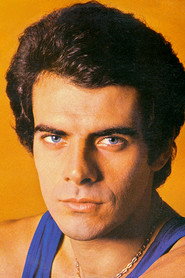


Frequently Asked Questions
What is Tabu (1983) about?
Set in 1930s Rio de Janeiro, *Tabu* imagines the meeting between two Brazilian icons: Lamartine Babo, a prolific songwriter, and Oswald de Andrade, a bold poet and playwright. Their fictional clash of personalities and ideas unfolds in a lively, music-filled narrative that captures the spirit of the era.
Who directed Tabu?
Júlio Bressane directed *Tabu*, bringing a vibrant, nostalgic style to this 1983 musical comedy.
Who stars in Tabu?
The film features Caetano Veloso as Lamartine Babo, alongside Colé Santana, José Lewgoy, Norma Bengell, and Sandro Solviatti in key roles.
Is Tabu (1983) worth watching?
*Tabu* is a hidden gem for fans of Brazilian cinema and music history. While it's an obscure title, its blend of comedy, music, and cultural nostalgia offers a charming, if niche, experience. Those familiar with 1930s Brazilian pop culture might find it particularly delightful.
How long is Tabu?
The runtime of *Tabu* is 78 minutes.
About Tabu (1983) — A Musical Comedy About Art, Legacy, and Rio's Golden Age
In Júlio Bressane's playful 1983 comedy-musical *Tabu*, the vibrant streets of 1930s Rio de Janeiro become the unlikely stage for a fictional rendezvous between two iconic Brazilian creatives. Lamartine Babo, a beloved songwriter known for his catchy melodies, crosses paths with Oswald de Andrade, the rebellious poet and playwright who challenged artistic conventions. Their encounter unfolds against a backdrop of samba rhythms, bohemian cafés, and the electric energy of pre-war Brazil, blending humor with a nostalgic reverence for the era's cultural spirit.
Directed with a whimsical touch, the film captures the clash and camaraderie of these two personalities, offering a witty meditation on art, legacy, and the fleeting nature of fame. Bressane's direction infuses the narrative with a dreamlike quality, while the film's music-driven storytelling pays homage to the golden age of Brazilian popular culture. *Tabu* is a celebration of creativity, where tradition meets innovation in a rhythm that lingers long after the credits roll.