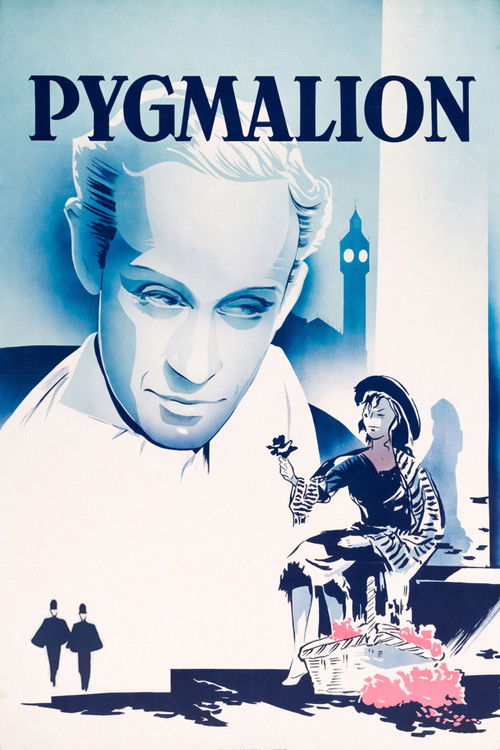
Pygmalion 1938
"He picked up a girl from the gutter - and changed her into a glamorous society butterfly!"
Leslie Howard's 1938 adaptation of George Bernard Shaw's classic tale transforms a Cockney flower girl into a refined society lady in just six months, but the experiment soon spirals into unexpected emotional territory.
Director: Leslie Howard
Cast
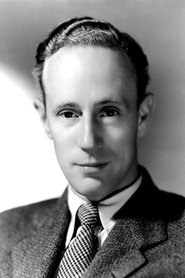
Leslie Howard
Henry Higgins
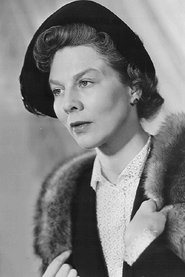
Wendy Hiller
Eliza Doolittle
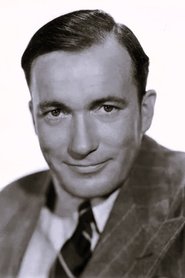
Wilfrid Lawson
Alfred Doolittle
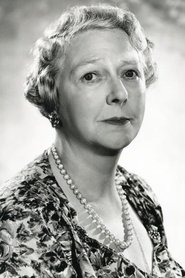
Marie Lohr
Mrs. Higgins
Scott Sunderland
Colonel George Pickering
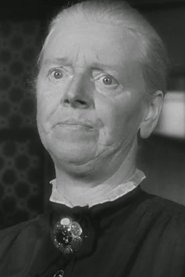
Jean Cadell
Mrs. Pearce
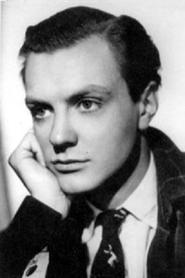
David Tree
Freddy Eynsford-Hill
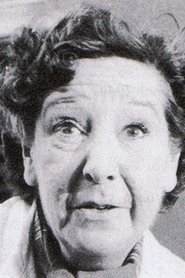
Everley Gregg
Mrs. Eynsford-Hill
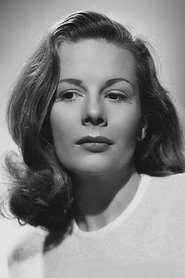
Leueen MacGrath
Clara Eynsford-Hill
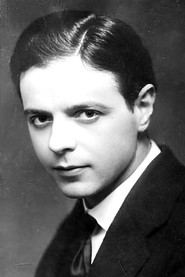
Esme Percy
Count Aristid Karpathy
Frequently Asked Questions
What is Pygmalion (1938) about?
A Cockney flower girl, Eliza Doolittle, becomes the subject of a daring social experiment when Professor Henry Higgins bets he can transform her into a refined society lady in six months. As Higgins drills her in elocution and etiquette, Eliza's journey challenges perceptions of class, identity, and the true cost of reinvention.
Who directed Pygmalion?
Leslie Howard directed the 1938 adaptation of George Bernard Shaw's play, bringing both his acting and directorial talents to the screen.
Who stars in Pygmalion?
The film features Leslie Howard as Professor Henry Higgins alongside Wendy Hiller as Eliza Doolittle, with Wilfrid Lawson, Marie Lohr, and Scott Sunderland rounding out the principal cast.
Is Pygmalion (1938) worth watching?
With its blend of witty dialogue and emotional depth, Pygmalion (1938) remains a rewarding watch for fans of classic cinema. The chemistry between Howard and Hiller, coupled with Shaw's sharp social commentary, makes it both entertaining and thought-provoking, even decades later.
How long is Pygmalion?
Pygmalion (1938) has a runtime of 96 minutes.
About Pygmalion (1938) — A Sharp Comedy-Drama of Class and Transformation
Leslie Howard's 1938 adaptation of George Bernard Shaw's classic tale transforms a Cockney flower girl into a refined society lady in just six months, but the experiment soon spirals into unexpected emotional territory. Pygmalion (1938) blends sharp wit with tender drama as linguistics professor Henry Higgins and Colonel George Pickering wager on Higgins' ability to refine Eliza Doolittle's speech and manners. Behind the polished facade, however, lies a story of identity, class struggle, and the blurred lines between control and genuine connection. With Leslie Howard and Wendy Hiller delivering masterful performances, the film captures the charm of early 20th-century England while probing deeper themes of transformation and belonging.
The movie's elegant yet playful tone mirrors its dual nature—part sophisticated comedy, part poignant romance—where every perfectly enunciated syllable feels like a small victory, and every slip threatens to unravel the illusion. The chemistry between Howard and Hiller elevates the narrative, making Pygmalion (1938) a timeless exploration of whether people can truly change—or if they're simply performing roles all along.