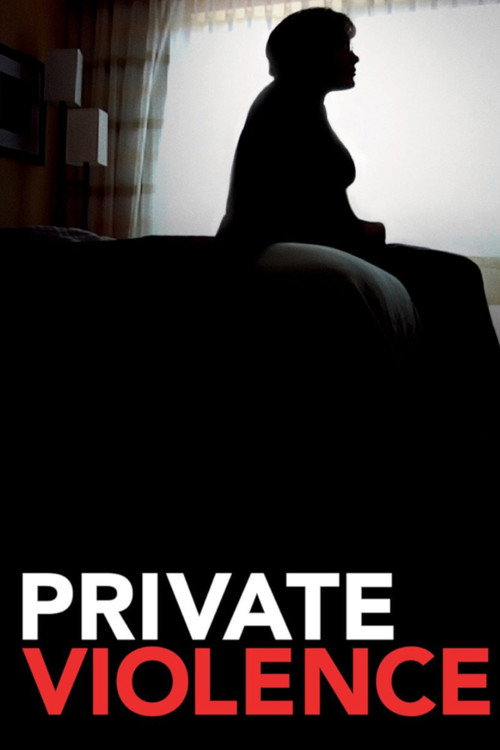
Private Violence 2014
Private Violence (2014) is a powerful documentary that peels back the curtain on domestic abuse, challenging society's most persistent questions with raw honesty and compassion.
Director: Cynthia Hill
Cast
Frequently Asked Questions
What is Private Violence (2014) about?
This documentary shatters myths about domestic abuse by following two women: Deanna, a survivor navigating escape and justice, and Kit, an advocate fighting for systemic change. It explores the complexities of leaving an abusive situation and the societal barriers victims face.
Who directed Private Violence?
Cynthia Hill directed Private Violence, bringing a documentary style that balances raw emotion with urgent social commentary.
Who stars in Private Violence?
The film features Kit Gruelle and Deanna Walters, whose personal stories anchor the documentary's powerful narrative.
Is Private Violence (2014) worth watching?
As a documentary, Private Violence is a gripping and essential watch for anyone interested in social justice or human resilience. Its intimate portrayal of survival and advocacy makes it both informative and deeply moving, even without an IMDb rating to guide expectations.
How long is Private Violence?
Private Violence runs for 77 minutes, making it a concise yet impactful cinematic experience.
About Private Violence (2014) — A Harrowing Look at Domestic Abuse Through Two Women's Stories
Private Violence (2014) is a powerful documentary that peels back the curtain on domestic abuse, challenging society's most persistent questions with raw honesty and compassion. Directed by Cynthia Hill, the film follows two women whose lives intersect in unexpected ways: Deanna Walters, whose harrowing journey from victim to survivor exposes the systemic failures victims face, and Kit Gruelle, an advocate whose tireless efforts highlight the cracks in our justice system. Through intimate storytelling and unflinching realism, the documentary dissolves the myth of easy escape, revealing the emotional, legal, and societal barriers that trap survivors in cycles of violence.
With a runtime of just 77 minutes, Private Violence (2014) packs an emotional punch, blending personal narratives with a broader critique of how communities respond to domestic abuse. Hill's direction ensures the film never feels like a clinical exposé but rather a deeply human story about resilience, systemic injustice, and the courage to reclaim one's life. The atmosphere is both heartbreaking and hopeful, leaving viewers with a lingering sense of urgency to confront the often-invisible epidemic of private violence.