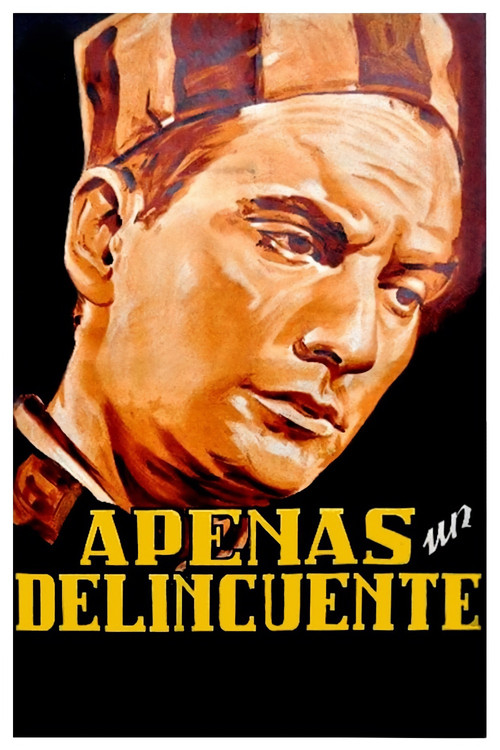
Hardly a Criminal 1949
Hugo Fregonese's *Hardly a Criminal* (1949) delivers a slick, morally charged crime drama set against the backdrop of post-war Argentina.
Director: Hugo Fregonese
Cast
Frequently Asked Questions
What is Hardly a Criminal (1949) about?
The film follows a bank employee who devises an elaborate embezzlement scheme, banking on a legal loophole that lets him profit after serving a fixed prison term. His confidence in the plan crumbles when unforeseen consequences begin to unravel his carefully laid strategy.
Who directed Hardly a Criminal?
The film was directed by Hugo Fregonese, an Argentine filmmaker known for his sharp, atmospheric crime dramas.
Who stars in Hardly a Criminal?
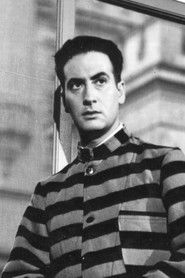
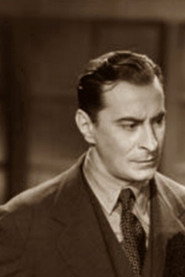
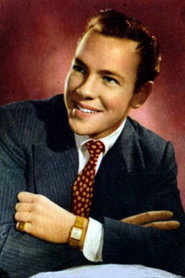
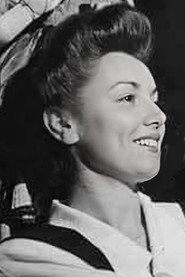
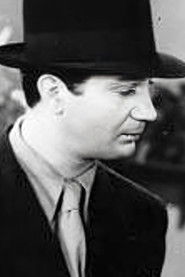
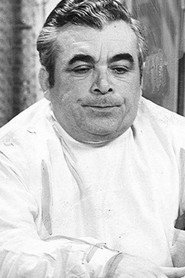
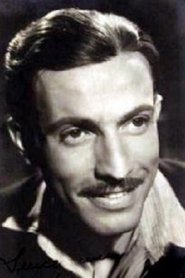
The lead roles are played by Jorge Salcedo, Sebastián Chiola, Tito Alonso, Linda Lorena, and Tito Grassi, bringing depth to this morally charged tale.
Is Hardly a Criminal (1949) worth watching?
As a crime drama rooted in psychological tension and legal intrigue, *Hardly a Criminal* offers a compelling narrative for fans of classic Argentine cinema. While it lacks a modern IMDb rating, its themes and direction make it a noteworthy watch for those interested in early cinematic explorations of crime and consequence.
How long is Hardly a Criminal?
The runtime of *Hardly a Criminal* is 88 minutes.
About Hardly a Criminal (1949) — The Clever Crime That Backfires
Hugo Fregonese's *Hardly a Criminal* (1949) delivers a slick, morally charged crime drama set against the backdrop of post-war Argentina. The film follows a seemingly ordinary bank employee who exploits a legal loophole to orchestrate what he believes is the perfect crime—embezzling funds with the intention of enjoying his ill-gotten gains after serving a predetermined prison sentence. What begins as a calculated scheme spirals into a tense psychological battle, where the line between justice and ambition blurs in unexpected ways. With its sharp direction and compelling performances, the movie explores themes of greed, futility, and the unintended consequences of manipulation.
The atmosphere is one of quiet desperation, where every calculated move feels like a gamble against fate. Fregonese crafts a narrative that's as much about human nature as it is about crime, leaving audiences to question whether the protagonist's plan is genius or self-destructive. The film's gritty realism and atmospheric tension make it a standout in 1940s Argentine cinema, offering a glimpse into the complexities of ambition and morality.