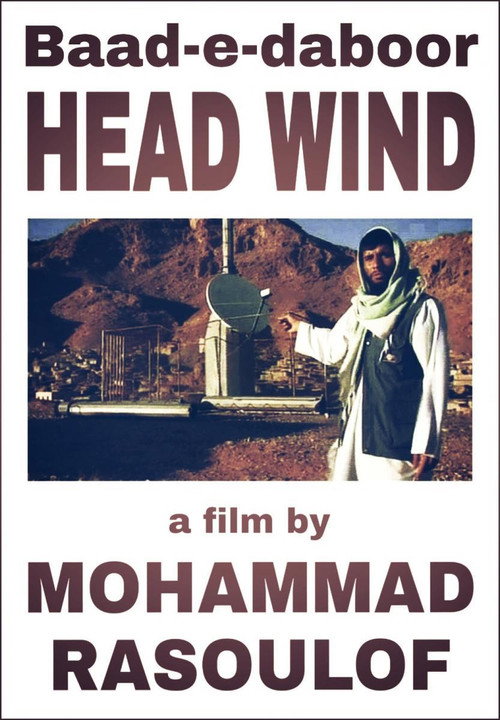
Head Wind 2008
Head Wind (2008) offers a compelling look at the invisible barriers shaping modern Iran, directed by acclaimed filmmaker Mohammad Rasoulof.
Director: Mohammad Rasoulof
Frequently Asked Questions
What is Head Wind (2008) about?
Head Wind delves into the mechanisms of government censorship in Iran, focusing on how artists and filmmakers navigate a system that restricts creative freedom. The documentary highlights the personal and professional challenges faced by those who dare to share their stories under such constraints.
Who directed Head Wind?
Head Wind was directed by Mohammad Rasoulof, an award-winning Iranian filmmaker known for his bold and politically charged works.
Who stars in Head Wind?
Director information is not available.
Is Head Wind (2008) worth watching?
With its gripping subject matter and Rasoulof's sharp directorial approach, Head Wind is worth watching for anyone interested in political documentaries or Iranian cinema. While it lacks a traditional cast, its thematic depth and evocative storytelling make it a compelling watch for fans of independent international films.
How long is Head Wind?
Head Wind runs for 65 minutes.
About Head Wind (2008): A Glimpse into Iran's Unseen Censorship Struggles
Head Wind (2008) offers a compelling look at the invisible barriers shaping modern Iran, directed by acclaimed filmmaker Mohammad Rasoulof. This documentary immerses viewers in the daily realities of government censorship, exposing how creative expression is stifled and controlled. With a runtime of just over an hour, the film captures the tension and frustration of artists navigating a system designed to silence dissent. Through carefully observed sequences and intimate interviews, Rasoulof paints a portrait of resilience—where storytelling becomes an act of defiance against overwhelming odds.
As a work of political cinema, Head Wind (2008) resonates with raw urgency, blending personal accounts with broader social commentary. The film's atmosphere is heavy with unease, reflecting the precarious position of filmmakers and writers in Iran. While the cast remains uncredited, the documentary's strength lies in its unfiltered gaze into a system where truth is the first casualty. For those interested in international documentaries or stories of creative resistance, Rasoulof's film is a vital and eye-opening experience.